How to Make Cologne Last Longer: What Works and What Is a Myth
We cross-reference community-tested cologne longevity hacks to separate proven tricks from repeated myths, so you stop wasting sprays and get better wear time.
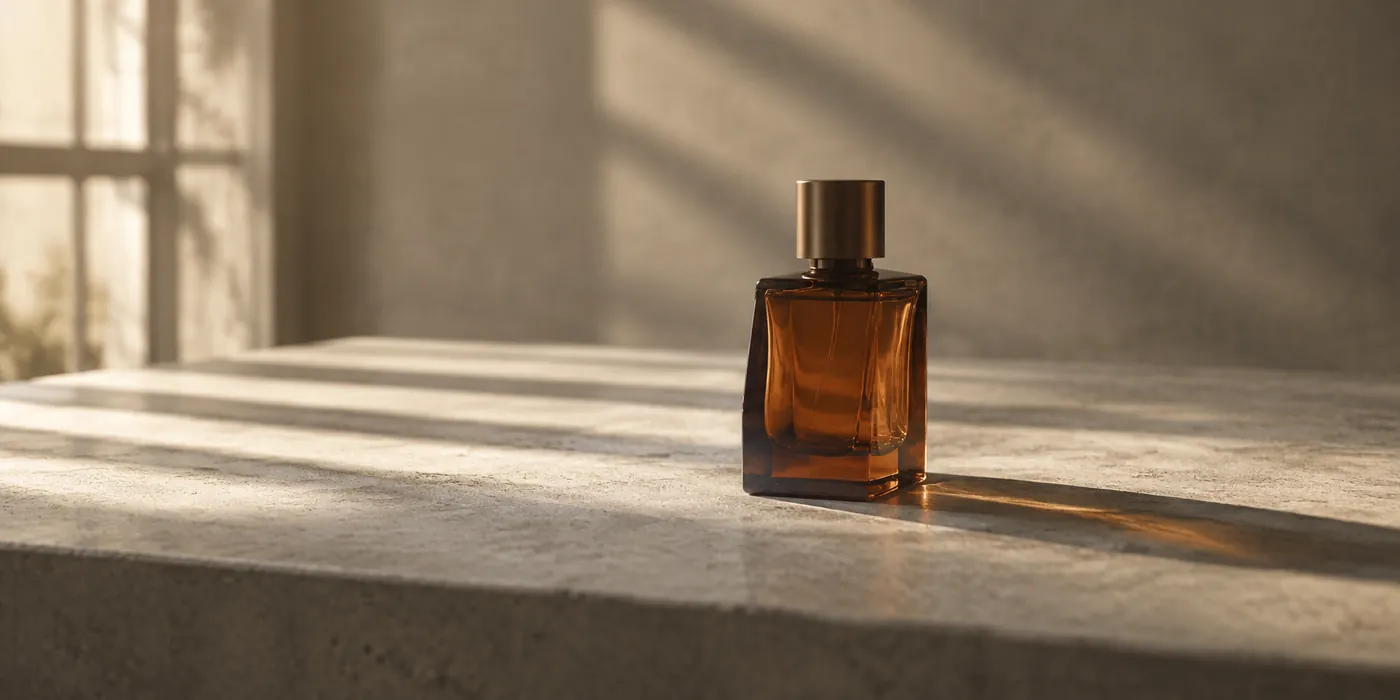
Most generic cologne longevity guides repeat unvetted hacks that don’t deliver consistent results for average wearers. This guide sorts through real community discussions to show which common tricks actually extend wear, which are overhyped, and which actively make your cologne fade faster. You don’t need expensive add-ons to get more consistent performance out of every bottle you own.
Some links on this page may earn us a commission. It does not affect which products we recommend or how we rank them.
You have almost certainly stumbled on generic fragrance guides that list 10 or more “guaranteed” tricks to make your cologne last all day, only to try half of them and walk away confused when your scent fades an hour after you leave the house. The vast majority of these guides repeat hacks without vetting them against real user experience, and almost none acknowledge the very real, very heated ongoing disagreement in the fragrance community about which low-effort methods actually deliver results. This guide cuts through that noise, using real shared user experience to separate actionable, consistent tips from persistent myths that waste your product and your time.
The Big Unresolved Community Disagreement No Generic Guide Tells You About
The core of the confusion around cologne longevity stems from the fact that no single hack works for every person, every skin type, and every wardrobe. The two most popular low-effort hacks have split the community into two distinct camps that rarely agree on which is better, and the split is so persistent that no broad consensus has ever emerged.
One camp argues that pre-applying a thin layer of moisturizer to your pulse points before spraying cologne is the single best way to extend wear time. They say dry bare skin acts like a sponge, absorbing scent molecules immediately so they never have a chance to diffuse slowly over the course of the day. A thin layer of lotion, they claim, creates a gentle barrier that traps scent molecules on the surface of your skin, so they release gradually instead of sinking in and disappearing quickly. Many in this camp specifically call out unscented vaseline as an even more effective alternative to regular lotion, for people who want an even thicker barrier that won’t introduce conflicting scents to their fragrance.
The opposing camp argues that spraying cologne directly onto clothing is far more reliable, no prep required, and delivers far more consistent extended wear for almost no extra effort. They say applying cologne over lotion often alters the scent profile, making the top notes smell muted or the base notes come through too strong, and that the extra barrier can make the scent break down unevenly rather than lasting longer. Spraying clothing, they argue, means the scent molecules get trapped in fabric fibers instead of interacting with the natural oils on your skin, so they fade far slower and stay true to the original scent you bought.
Neither side is universally right, and the split exists because results vary wildly based on factors no generic guide accounts for. People with naturally very oily skin often find that adding extra moisturizer makes their scent break down faster, while people with extremely dry skin see almost no benefit from spraying cologne on bare skin. People who mostly wear thick cotton workwear or casual clothes get great results from spraying fabric, while people who regularly wear delicate light fabrics or synthetic athletic wear often run into staining or weird scent distortion when they spray their clothes.
We’ve broken down the tradeoffs of both contested hacks in the table below, based directly on shared community reports:
| Hack | Reported Pros From Supporters | Reported Cons From Critics | Who It Works Best For |
|---|---|---|---|
| Pre-apply unscented lotion/vaseline to pulse points | No fabric staining risk, scent sits closer to skin for intimate projection | Can alter scent profile if you use too much, does nothing for people with naturally oily skin | People with consistently very dry skin, people who prefer skin-scent projection over strong sillage |
| Spray cologne directly onto clothing | No prep time required, no risk of altering the scent profile you bought | Can leave stains on light or delicate fabrics, scent can stick to old laundry detergent smells | People with oily skin, people who wear mostly cotton or heavy synthetic workwear |
Broadly Agreed Upon Hacks That No One Debates
While the two big contested hacks split the community, there are a handful of simple, low-effort steps that almost all users agree deliver consistent improvements to wear time, no matter your skin type or wardrobe. None of these require buying special products, and none of them carry the risk of altering your scent profile that the contested hacks do.
First, store your cologne bottles correctly. A huge number of users report that they unknowingly cut their fragrance’s potential wear time in half by storing bottles in hot, sunlit spots like a bathroom windowsill or the dashboard of their car. Heat and direct UV light break down the delicate scent molecules in your cologne over time, so even if you spray the exact same amount of product, it will fade far faster than a bottle kept in a cool, dark, closed cabinet. This is an especially critical tip for anyone who owns limited-edition or hard-to-replace bottles, where preserving the original scent profile for as long as possible is a top priority.
Second, apply your cologne to skin that is hydrated, not damp. A lot of people make the mistake of spraying immediately after stepping out of the shower, when their skin is still dripping wet, and the excess water makes the scent molecules slide right off and evaporate into the air almost instantly. Wait until your skin is fully dry to the touch, but still retains the soft residual moisture from your shower, and you will see far more consistent adherence of the scent to your skin.
Third, expand your application spots past just your wrists and neck. Almost every generic guide tells you to only spray pulse points, but community users consistently report that applying a small number of extra sprays to larger, slower-heating areas like the sides of your torso, the back of your jaw, and the inside of your elbows creates a much larger surface area for the scent to diffuse slowly over time. This avoids the common problem where your two small wrist and neck spots fade completely after a short period, leaving no trace of the scent behind.
Persistent Myths That Generic Guides Repeat With No Community Proof
There are a handful of extremely common cologne longevity tips that get repeated in almost every generic guide, but have no widespread community support, and many users report they actively make your scent fade faster.
The first myth is that spraying far more sprays than you normally use will make your cologne last longer. Users consistently report that after a very small threshold, adding extra sprays does not extend wear time at all. All it does is make the scent project far harder for a short window, before it fades at the exact same rate it would have if you used your normal number of sprays. This is one of the most common ways people waste huge amounts of expensive cologne for no tangible benefit.
The second myth is that you should rub your wrists together after spraying cologne to “work the scent in.” This tip is everywhere, but almost all experienced fragrance users agree that rubbing crushes the delicate top notes of your cologne immediately, breaks down the scent molecules unevenly, and makes the total wear time of your fragrance noticeably shorter than if you just let the sprays air dry on your skin untouched.
The third, and most pervasive myth, is that if you wear the same cologne every day, it stops lasting as long on your skin. This is almost never a problem with the cologne itself. As the community discussions around this topic make clear, this is almost always personal anosmia: your nose adapts to the scent you are exposed to every single day, so you stop being able to pick it up, even though everyone around you can still smell it perfectly clearly. Users routinely report wasting huge amounts of product spraying extra sprays throughout the day because they think their scent faded, when it was still perfectly noticeable to every other person they interacted with. If you think your daily scent is fading faster, ask a friend to confirm if they can still smell it on you before you spray more.
How To Find What Works For You In Two Days
You don’t need to waste months testing random hacks to figure out what gives you the best longevity. Run two simple, low-effort tests over two consecutive days to eliminate all the guesswork. On the first day, split your normal number of sprays in half: apply half to bare, dry skin, and the other half to a small patch of skin you prepped with a thin layer of unscented lotion. Check in at the end of the day, and ask a friend to confirm what they can smell, to avoid tricking yourself with anosmia. On the second day, split your normal sprays again: apply half to bare skin, and the other half to the inside of a clean cotton t-shirt. At the end of the day, note which application method still has a noticeable scent.
This simple two-day test will tell you exactly which of the contested hacks works for your unique skin and wardrobe, so you can stop wasting time trying tips that work for other people but will never work for you. At the end of the day, the best way to make your cologne last longer is to stop following generic one-size-fits-all advice, and build a routine that works for your specific body, your clothes, and the bottles you own.
Related reading
 Performance & LongevityHow Long Does Cologne Actually Last? By Concentration and Skin TypeSkip inflated brand 12+ hour wear claims. We break down real cologne longevity on skin, clothes, and in bottles, sorted by concentration, skin type, and application2026-09-20 · 7 min read
 Performance & LongevityHow Many Sprays of Cologne Is Actually Right? A Practical GuideSkip the generic one-size-fits-all spray rules. This guide maps spray counts to bottle sizes, contexts, and your routine so you never overspray or waste juice again.2026-09-20 · 7 min read
 Performance & LongevityWhere to Spray Cologne for the Best Result (And Where Not To)Skip the generic pulse point list. We break down underdiscussed cologne spray spots that boost wear time, plus locations experienced wearers say you should skip.2026-09-20 · 7 min read
 Performance & LongevityFragrance Shelf Life: How Long a Bottle Actually Stays GoodWe skip the overused generic 3-5 year fragrance shelf life claim to break down if a tiny curated 2-3 bottle permanent collection can stay usable long term.2026-09-20 · 7 min read