Fragrance Shelf Life: How Long a Bottle Actually Stays Good
We skip the overused generic 3-5 year fragrance shelf life claim to break down if a tiny curated 2-3 bottle permanent collection can stay usable long term.
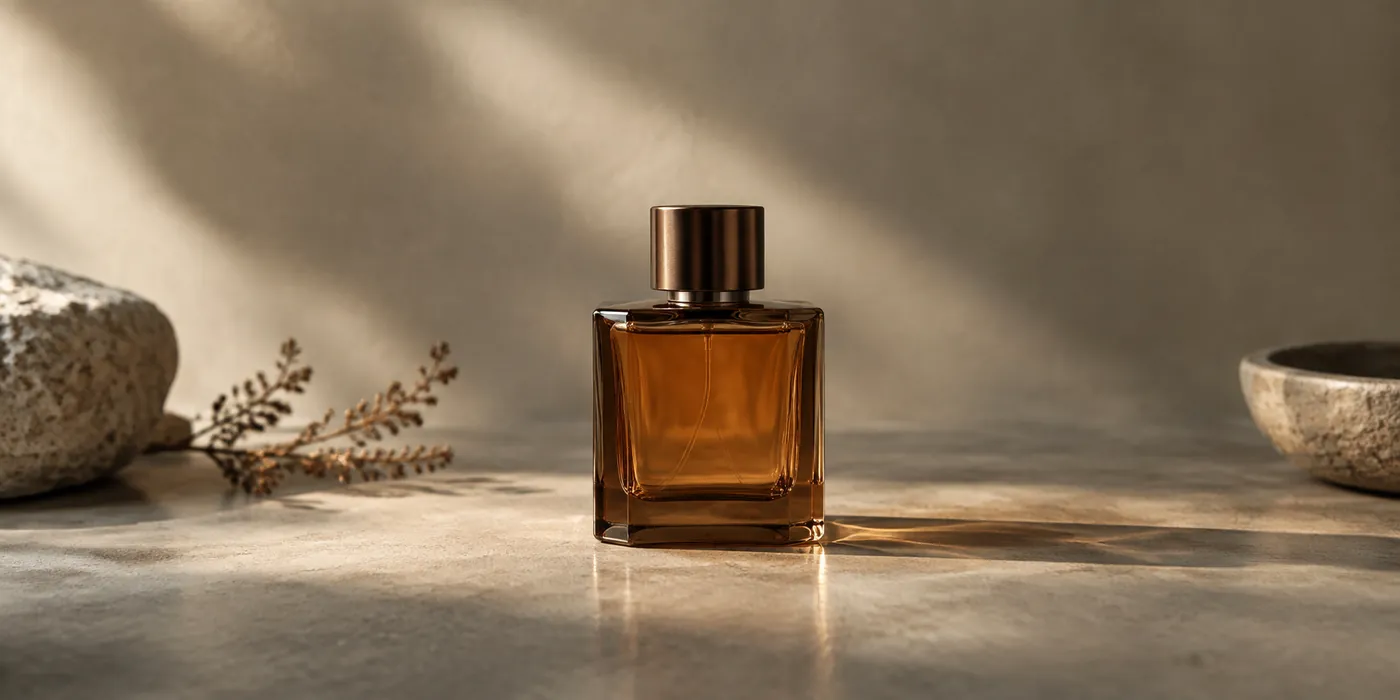
The widely repeated generic 3-5 year fragrance shelf life claim is not a hard rule, and most properly stored unopened or rarely used bottles stay usable far longer than that. If you keep your small curated collection in the right conditions, you almost certainly will finish each bottle before it spoils, no need to rotate new fragrances every few years. The only real risk of spoilage comes from easily avoidable bad storage habits, not inherent chemical breakdown of the juice itself.
Some links on this page may earn us a commission. It does not affect which products we recommend or how we rank them.
If you’ve spent any time researching fragrance shelf life online, you’ve almost certainly seen the same line repeated across hundreds of top-ranking posts: every bottle of cologne or perfume goes bad 3 to 5 years after you open it. That generic, one-size-fits-all number is treated as an undisputed fact, no context, no caveats, no nuance. But that claim falls apart the second you start thinking about the increasingly popular idea that’s taken over fragrance communities lately: ditching your overflowing backlog of 10+ half-used bottles, and picking just 2 or 3 scents you absolutely love to wear for the rest of your life.
That use case is not a niche fantasy. Users across fragrance forums are actively exploring this exact shift, tired of endless new release cycles, decision fatigue every morning, and piles of unused product taking up space on their shelves. For this group, the generic 3-5 year shelf life claim is not a helpful guideline — it’s a dealbreaker, if it’s true. And that’s where the sharp, ongoing disagreement in the fragrance community comes in.
The Core Disagreement That No Generic Explainer Addresses
There are two distinct camps arguing over whether a permanent tiny 2-3 fragrance collection is even possible, and neither side is working from made-up information.
The first camp says the whole idea is a waste of time. They argue that no matter how careful you are with your bottles, the slow, inevitable chemical breakdown of the natural oils and alcohol in fragrance will eventually turn the juice sour, warp the scent profile, and leave you with something that smells nothing like the product you originally bought. They say that even if you only wear each scent a few times a week, you will never be able to finish a full bottle before it spoils, leaving you stuck throwing away most of the product you bought, and forced to replace your “permanent” scents every few years anyway. For this group, the 3-5 year number is a hard, unbeatable limit, and anyone who tries to lock in a small permanent collection is just throwing their money away.
The second camp says that line of thinking is completely backwards. They point to countless shared anecdotes of users digging up forgotten bottles that sat untouched in the back of a closet for ages, only to find that the juice smells exactly as fresh and true to the original as the day they first sprayed it. This group argues the generic 3-5 year number is not a safety limit or a reflection of real chemical reality — it’s a conservative, arbitrary guideline from fragrance brands that benefit from you buying new bottles more often. They say that if you avoid the obvious mistakes that ruin fragrance, your bottles will stay good for far longer than that generic window, and you will easily work through every drop long before anything goes wrong.
Neither side is lying about their own experiences. The gap between them exists because most people have never stopped to break down what actually causes a fragrance to spoil in the first place, and how almost all of those factors are fully under your control.
What Actually Makes Fragrance Go Bad (Not The Arbitrary Timeline)
Spoilage is not a timer that starts the second you twist off the cap, counting down to a fixed expiration date. It is a process that only moves forward when specific external conditions are met, none of which are inevitable. The community’s shared observations of spoiled bottles all point to four main, avoidable causes:
First, unfiltered UV light from direct sunlight. Nothing breaks down delicate aroma compounds faster than consistent exposure to sun. A bottle you leave on a bathroom windowsill that gets direct sun every afternoon will degrade far faster than a bottle you keep tucked away in a dark drawer. Even indirect bright light, if the bottle is left out on a dresser for months on end, will speed up that breakdown process.
Second, consistent high heat. Storing your bottles on a shelf above a radiator, in a spot that gets hot from a nearby heater, or even in a bag you leave in your car during warm weather, will accelerate oxidation of the juice dramatically. Heat breaks down the structure of the scent molecules far faster than cool, stable room temperatures.
Third, unnecessary air exposure. Every time you spray a bottle, the small amount of juice that leaves the nozzle is replaced by a small amount of air that seeps into the empty headspace inside the bottle. That air introduces oxygen that reacts with the fragrance oils to slowly change their scent. The more often you open the bottle, decant juice into smaller containers, or pump the spray when the bottle is almost empty, the more fresh air you let inside, speeding up that oxidation process.
Fourth, contamination from outside substances. If you touch the spray nozzle with unwashed fingers, pour juice out of the bottle and get skin oil, dust, or other debris inside, you can introduce bacteria that will turn the juice cloudy, sour, or completely unrecognizable over time.
None of these four factors are guaranteed to happen to every bottle. All of them can be almost completely eliminated with simple, consistent storage habits. The generic 3-5 year shelf life number is written for the average user who does none of these things: who keeps their bottles on a sunny bathroom counter, brings them in and out of hot cars, and handles the nozzles with their bare hands every day. It is a worst-case estimate for people who do not care about storage, not a maximum possible lifespan for a bottle that is protected from all of those risks.
How To Build A Tiny Permanent Collection That Actually Lasts
If you are serious about downsizing to 2 or 3 scents you want to wear for the rest of your life, you don’t have to take either camp’s word for it. You can follow a simple, low-effort framework to eliminate almost all spoilage risk, no fancy equipment required.
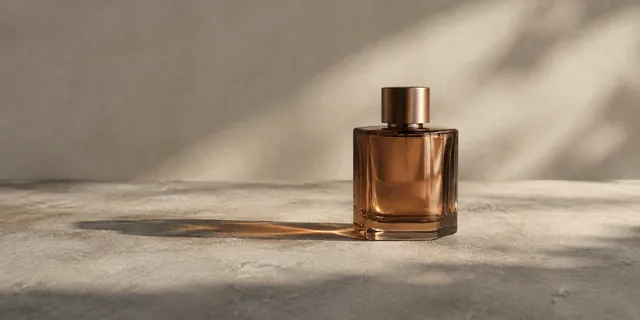
First, prioritize bottles that come in dark, opaque glass, not clear glass. Clear glass lets UV light reach the juice even if you only pull the bottle out for a few minutes a day. Dark amber or tinted green glass blocks almost all UV radiation, slowing down light-related breakdown by a massive margin. Skip any bottle that comes in fully clear glass if you plan to keep it for decades, no matter how nice the bottle design looks on your shelf.
Second, pick a single consistent storage spot that stays cool, dark, and temperature stable all year. Skip the bathroom: the constant swings in temperature and humidity from hot showers will speed up oxidation far faster than a dry, cool space. Skip the fridge, too: excess moisture inside the fridge can seep past the spray seal over time and contaminate the juice. A closed dresser drawer in your bedroom, that never gets direct sun, and stays at normal room temperature no matter the season, is the perfect low-effort storage spot. You don’t need a fancy humidor or dedicated fragrance cabinet to get the job done.
Third, minimize unnecessary air exposure. Don’t decant your full 100ml bottles into smaller travel sizes unless you absolutely have to. Every time you open the main bottle to pour juice out, you flood the entire empty headspace inside with fresh oxygen that will start reacting with the oils immediately. If you want a small travel size to bring to work or on trips, buy a separate small bottle of the same scent, so you never have to open your large, full permanent bottles unless you are spraying them to wear.
Fourth, check your bottles only once every few months, instead of handling them every day. You don’t need to pull them out and inspect them every morning. When you do check, look for two clear signs of spoilage: the juice has turned a noticeably darker yellow or amber color than it was when you first bought it, or it smells sour, off, or nothing like the original scent you loved. If neither of those things are true, the bottle is still perfectly good to wear.
| Claim from the "permanent collection is impossible" camp | Claim from the "permanent collection works" camp | What shared community evidence supports |
|---|---|---|
| All fragrances spoil after a short fixed window, no exceptions | Properly stored fragrances never spoil, no exceptions | Spoilage depends almost entirely on storage conditions, not a fixed production date |
| You will never finish a full bottle before it goes bad | You will finish a full bottle long before it goes bad if you wear it regularly | Most casual wearers will work through a small set of bottles over a normal lifespan far faster than oxidation can ruin them |
| The printed manufacturer shelf life number is a hard safety rule | The printed manufacturer shelf life number is arbitrary marketing | The number is a conservative guideline for average users with no storage best practices |
Our Final Take For Your Permanent Collection
After reviewing all the shared community discussion around fragrance shelf life, the idea of picking 2 or 3 scents you love, storing them correctly, and using them for the rest of your life is completely feasible. The people who run into unexpected spoilage issues are almost always making one of the four avoidable storage mistakes we outlined above, not running up against some unbeatable chemical limit.
You do not need to keep buying new fragrances every few years just because a generic listicle told you your old bottles are expired. If the scents you picked smell good to you, they are not discolored or sour, and you keep them tucked away in a cool dark drawer, they will stay good long enough for you to use every last drop. The generic 3-5 year shelf life claim is not a rule you have to follow — it’s a warning for people who don’t store their bottles right, and nothing more. For anyone tired of the endless fragrance chase, that’s a game-changing realization.
Related reading
 Performance & LongevityBeast Mode Fragrances: Maximum Projection and Who Should Avoid ItWe break down community debates over loud beast mode fragrances, compare viral budget clones to premium alternatives, and flag picks that read as obnoxious indoors.2026-09-20 · 7 min read
 Budget & ValueBig Bottles: When a 200ml Fragrance Is Actually the Smarter BuyWe break down if 200ml big bottle fragrances are worth the investment, plus which use cases make the large format a better value for US shoppers than standard small2026-09-20 · 7 min read
 Performance & LongevityFragrance Performance: Why Some Scents Vanish and Others Do NotWe break down why hyped budget, clone, and designer performance fragrance picks work for some people and fall flat for others, no paid sponsorships or fake test2026-09-20 · 7 min read
 Performance & LongevityHow Long Does Cologne Actually Last? By Concentration and Skin TypeSkip inflated brand 12+ hour wear claims. We break down real cologne longevity on skin, clothes, and in bottles, sorted by concentration, skin type, and application2026-09-20 · 7 min read