How Long Does Cologne Actually Last? By Concentration and Skin Type
Skip inflated brand 12+ hour wear claims. We break down real cologne longevity on skin, clothes, and in bottles, sorted by concentration, skin type, and application
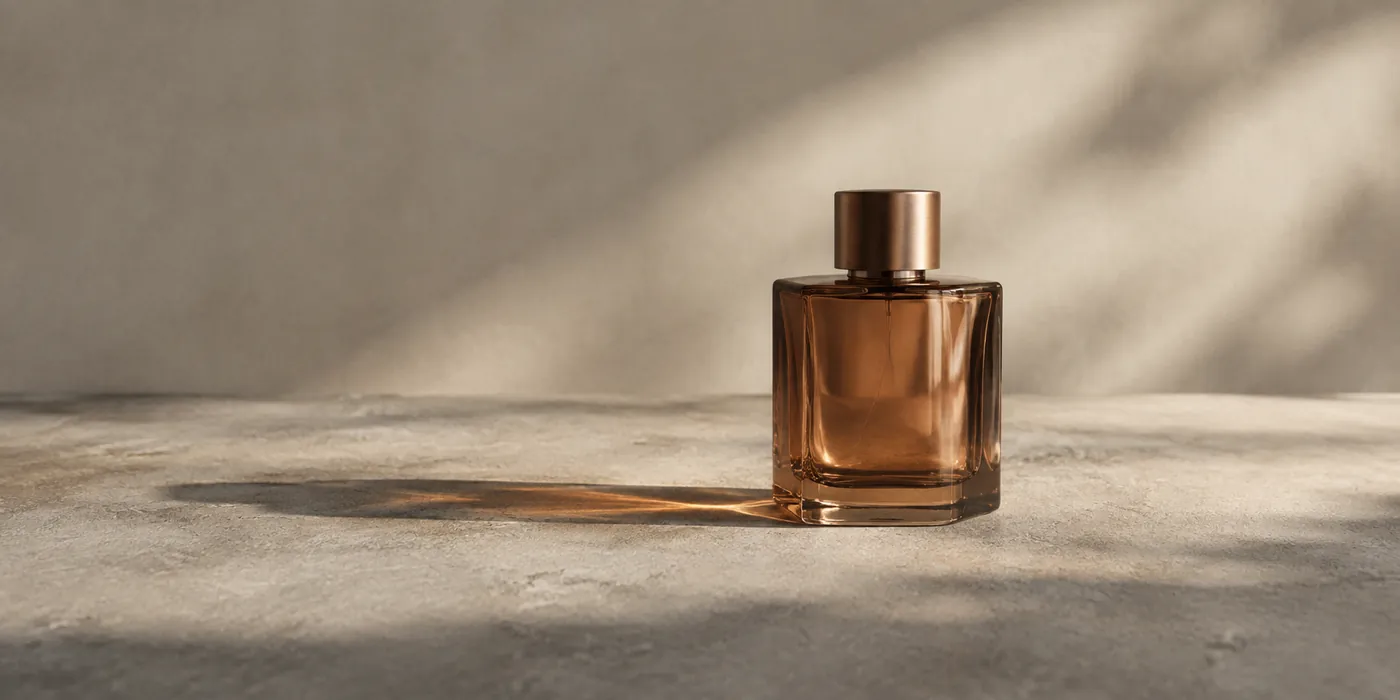
Cologne longevity never matches the inflated 12+ hour claims most brands print on packaging, and real wear time varies wildly based on concentration, your skin type, and where you apply it. Most popular mass-market colognes fade much faster than advertised for a large share of wearers, even when applied correctly. You can extend usable wear time by adjusting application spots and choosing the right concentration for your daily routine.
Some links on this page may earn us a commission. It does not affect which products we recommend or how we rank them.
If you have ever researched cologne longevity before, you have almost certainly run into the same generic, one-size-fits-all breakdown that every top-ranking explainer repeats. They list out concentration tiers, assign a fixed wear time to each, and act like that number will hold true for every person who sprays the scent on their skin. The problem is, that is not what real wearers actually experience. Walk through any fragrance community thread, and you will find two groups of people talking past each other: one group swears their new favorite cologne vanishes before they even finish their morning commute, and the other swears that same exact scent lingers on their jacket until the end of the work day. Neither group is lying, and neither is applying the product wrong. The generic numbers you see everywhere ignore all the messy, real-world variables that make cologne longevity a deeply personal experience, and almost all of them repeat the same inflated brand claims of 12+ hour wear that almost no one ever actually gets.
This breakdown skips those fake, universal numbers entirely. It is built entirely from what real fragrance wearers report, and it explains exactly why two people can have wildly different experiences with the exact same bottle of cologne.
The Core Disagreement That Generic Explainers Ignore
The entire debate around cologne longevity comes down to one simple, unstated fact: no brand advertises a wear time that reflects average performance. Every printed claim on a bottle, every marketing line on a product page, is tested under ideal conditions on a small set of test wearers who are pre-selected to hold scent extremely well. For the vast majority of buyers, those advertised numbers are completely unachievable.
That is why the community splits so sharply on this topic. One group of wearers, many of whom have naturally dry skin, find that even scents marketed as ultra long-wearing fade completely in a very short window, no matter how much they spray. The other group, with oilier skin that locks fragrance oils in for far longer, gets the kind of extended wear brands promise, and cannot understand why other people say the same scent is weak. The two sides end up arguing that the other is applying the product wrong, or buying fake bottles, when the real difference is nothing more than their own unique skin chemistry.
There is no universal “correct” wear time for any cologne. The only way to get a sense of how long a scent will work for you is to break down the variables that actually drive performance, and test them against your own body.
What Actually Drives Cologne Longevity On Skin
There are three core factors that determine how long you will be able to smell your cologne after you apply it, none of which are mentioned in most generic explainers.
Concentration
Concentration is the most obvious factor, but most guides overstate how much it impacts wear time for every person. The different concentration tiers (eau de cologne, eau de toilette, eau de parfum, parfum) refer to the share of perfume oil mixed in with alcohol and other carrier ingredients. Higher concentration tiers have far less alcohol, which evaporates off your skin almost immediately after you spray, and far more of the heavy, slow-burning oil that sticks around for hours.
That said, higher concentration does not automatically mean a scent will last longer for you. Some fragrance houses formulate their highest concentration tiers to smell lighter and airier, with notes that break down very quickly on skin, even with a high oil load. Other budget scents in lower concentration tiers use heavier, more tenacious base notes that stick around far longer than far more expensive high-concentration alternatives. The pattern suggests that concentration is a useful baseline, but it is never a guarantee of extended wear.
Skin Type
This is the single biggest variable that no generic longevity guide ever accounts for. People with naturally oily skin, or skin that is regularly moisturized with unscented lotion before application, hold onto fragrance oils far better than people with very dry skin. Dry skin has no natural oils to lock the perfume molecules into the top layer of your epidermis, so the scent evaporates off almost as fast as the alcohol in the spray.
Many people who complain that every cologne they buy fades in an hour or less do not realize that their dry skin is the root of the problem, not the quality of the product they bought. A simple pre-application step of rubbing a thin layer of unscented moisturizer onto your pulse points 10 minutes before you spray can extend the usable wear time of almost any cologne dramatically, no matter its concentration.
Application Location
Where you spray your cologne matters far more than how many sprays you use. Most people only apply cologne to their wrists and neck, which are areas that get exposed to constant air flow, regular hand washing, and friction from collars and sleeves. Spraying even a small amount of cologne onto natural fiber clothing, your hair, or the inner lining of your jacket will make the scent last far longer, because fabric fibers lock onto fragrance molecules and release them slowly over time, instead of letting them evaporate quickly off bare skin.
It is also worth noting that spraying cologne onto freshly washed skin that has been stripped of all natural oils by soap will make the scent fade much faster than applying it to skin that has not been washed for a few hours.
Longevity Off Skin: Bottles, Test Strips, And Storage
A huge share of the search queries around cologne longevity have nothing to do with wear time on your body, and most generic explainers ignore these questions entirely. Based on what the community reports, we can break down these use cases clearly, no arbitrary expiration dates required.
| Factor | What Boosts Longevity | What Kills Longevity |
|---|---|---|
| Fragrance Concentration | Higher share of perfume oil, lower alcohol content | High alcohol, low oil formulation |
| Skin Type | Oily, pre-moisturized skin | Very dry, freshly washed, oil-stripped skin |
| Application Surface | Natural fiber clothing, hair, jacket lining | Bare, exposed pulse points |
| Storage Conditions | Cool, dark, temperature-stable closed cabinet | Sunny bathroom counter, extreme temperature swings |
How long cologne lasts unopened and opened in a bottle
Properly stored cologne that is unopened will stay stable and usable for years, with no hard expiration date. The biggest threat to a bottle of cologne is exposure to direct sunlight, heat, and oxygen that seeps in every time you open the cap. Once you break the seal on a new bottle, the scent will slowly start to shift and degrade over time, but it will remain perfectly wearable for most people for multiple years if you keep it in a cool, dark spot away from windows and shower steam. Storing your cologne in your bathroom is one of the worst choices you can make, because the constant swings between hot, steamy air and cold dry air break down the perfume molecules far faster than any other environmental factor.
How long cologne lasts on test strips
The thin paper test strips you get at department store counters or with sample orders are designed to show you the top notes of a scent immediately, but they do not hold fragrance for very long. The scent will fade off the strip far faster than it would on your skin, which is why you should never judge a cologne’s full performance just by smelling a test strip an hour after you sprayed it.
How To Pick A Long Lasting Men’s Cologne That Works For You
You do not have to waste money on full bottles of cologne that vanish on your skin after an hour. There is a simple, low-risk framework you can use to test any scent before you commit to a full purchase, that will tell you exactly how long it will last for your unique skin chemistry.
First, buy a small sample vial of the scent you are considering, instead of buying a full bottle sight unseen. Spray it once on your inner wrist, and wear it for a full day, without applying any other scented products on top of it. Check in with yourself every few hours to see if you can still smell it, and if other people standing near you can pick up the scent. Do not trust any review that says the scent lasts a certain fixed amount of time, because that reviewer’s skin chemistry is nothing like yours.
If you find that the scent fades far faster than you want, you do not have to immediately upgrade to a higher concentration. Try spraying it on a moisturized pulse point, or on the shoulder of your t-shirt, and see if the wear time improves. Most people can get perfectly acceptable all-day performance out of a mid-tier concentration cologne, as long as they adjust their application routine to match their skin type.
At the end of the day, the biggest mistake most fragrance buyers make is chasing the inflated 12+ hour wear time that brands advertise. Almost no one needs a scent that strong, that long, and most people will find that even a moderately long-wearing cologne is more than strong enough for daily office or casual use. Stop paying extra for high-concentration formulations that promise impossible wear times, and focus on finding scents that perform well for your specific skin, your application habits, and your routine.
Related reading
 Performance & LongevityHow Many Sprays of Cologne Is Actually Right? A Practical GuideSkip the generic one-size-fits-all spray rules. This guide maps spray counts to bottle sizes, contexts, and your routine so you never overspray or waste juice again.2026-09-20 · 7 min read
 Performance & LongevityHow to Make Cologne Last Longer: What Works and What Is a MythWe cross-reference community-tested cologne longevity hacks to separate proven tricks from repeated myths, so you stop wasting sprays and get better wear time.2026-09-20 · 7 min read
 Performance & LongevityWhere to Spray Cologne for the Best Result (And Where Not To)Skip the generic pulse point list. We break down underdiscussed cologne spray spots that boost wear time, plus locations experienced wearers say you should skip.2026-09-20 · 7 min read
 Performance & LongevitySkin Scents vs Projection: Choosing the Right Presence for the RoomSkip generic definitions of skin scent and projection. This guide maps fragrance performance to your daily routines so you pick a scent that fits every space you2026-09-20 · 7 min read