Where to Spray Cologne for the Best Result (And Where Not To)
Skip the generic pulse point list. We break down underdiscussed cologne spray spots that boost wear time, plus locations experienced wearers say you should skip.
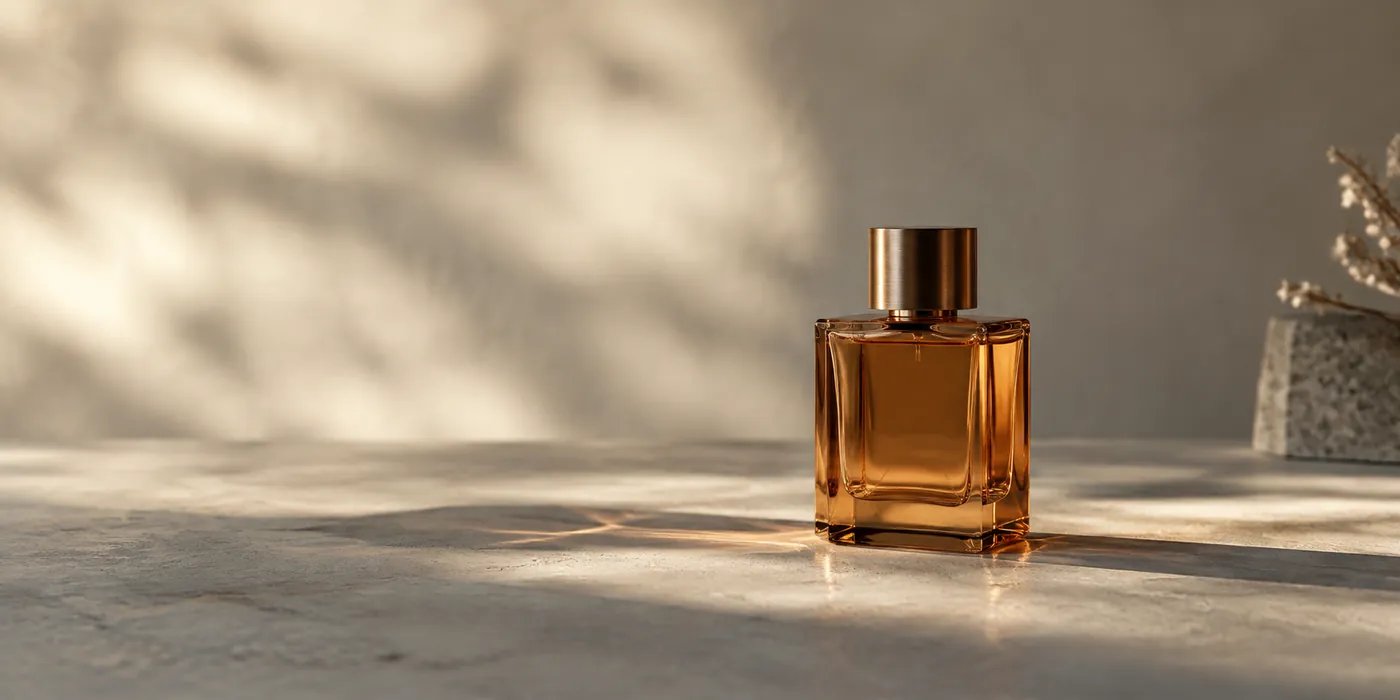
Most standard cologne guides only list basic pulse points, but you can get far better longevity by choosing less commonly recommended spots that play well with how scent molecules interact with skin and fabric. The choice between spraying on skin, clothing, or other locations depends on your skin type, the cologne's formulation, and how long you need the scent to last. You can avoid common mistakes that make your cologne fade too fast or project too strongly by skipping a handful of widely overused spray spots.
Some links on this page may earn us a commission. It does not affect which products we recommend or how we rank them.
If you have ever followed a top-ranking cologne guide to the letter, you have almost certainly seen the same short list of spray spots repeated verbatim: wrists, behind the ears, and the side of the neck. That list is not wrong, exactly, but it is incomplete. It ignores years of shared experience from long-time fragrance wearers who have tested far more locations to get better, more consistent scent performance, and it completely skips the heated ongoing debate in the fragrance community about whether skin is even the best surface to spray cologne on in the first place.
This guide skips the generic, copy-pasted pulse point list entirely. We are breaking down the underdiscussed spray spots that most experienced wearers use to get far more out of every bottle, the locations that almost everyone agrees you should never spray, and how to navigate the core disagreement about skin vs. fabric application to pick the routine that works for your body and your daily routine.
The Core Disagreement: Skin vs. Fabric Sprays
If you have spent any time browsing fragrance discussion spaces, you have almost certainly stumbled into this argument. New wearers are often shocked to find that there is no universal consensus on the most basic question of where cologne is supposed to go, and the two main camps have very strong, experience-backed reasons for their positions.
One side argues that spraying cologne exclusively on bare skin is the only correct approach, because the natural heat and unique chemistry of your skin is what makes the fragrance open up and develop the way the perfumer intended. They argue that spraying on fabric makes the scent smell flat, stuck on the top notes, and never evolves the way it is supposed to as the hours pass. Many people in this camp also note that spraying directly on certain fabrics can leave hard to remove oil stains that ruin nice clothing.
The other side argues that spraying cologne on clothing is the only way to get consistent, long-lasting wear, because fabric does not break down scent molecules the way skin does. Many people in this camp say their skin eats fragrance so quickly that even multiple sprays on skin disappear completely before they finish their workday, no matter what cologne they use. This group is so large that many community members have openly called for major home fragrance brands to release purpose-built cologne fabric sprays, designed specifically to be applied to clothing without staining or altering the scent profile.
A smaller third group sits in the middle of this fight, arguing that you can get the best of both worlds by prepping your skin first with a neutral carrier oil like jojoba before you spray your cologne on top. The oil creates a barrier between your skin’s natural enzymes and the fragrance molecules, slowing evaporation so the scent lasts longer on skin without needing to spray it on fabric.
This table breaks down the core tradeoffs of each approach, based on what the community reports:
| Approach | Who It Works Best For | Key Upsides | Common Drawbacks |
|---|---|---|---|
| Spray only on bare skin | People with neutral skin chemistry that does not break down fragrance quickly | Scent evolves fully as the perfumer intended, no risk of staining clothing | Scent can fade very fast for people with skin that processes fragrance quickly |
| Spray directly on clothing | People who struggle to make any cologne last on their skin, or people with sensitive skin that reacts to fragrance on bare skin | Scent stays consistent for far longer, no direct skin irritation | Scent may not develop its full dry down, can leave stains on light or delicate fabric |
| Apply over pre-oiled bare skin | People who want the full scent development of skin application with longer wear time | Slows evaporation dramatically, no fabric staining risk | Requires extra prep time before you spray, can feel greasy if you use too much oil |
There is no objectively correct winner here, because the right choice depends entirely on your unique body chemistry, the specific cologne you are wearing, and what you are doing that day. Most experienced wearers do not stick to only one approach, and mix spots across skin and fabric to get exactly the performance they want.
Underdiscussed Spray Spots That Boost Longevity
All of the standard pulse points work because they are areas where your blood vessels sit close to the surface of your skin, releasing small amounts of consistent heat that radiate the scent out slowly. But the standard list only covers a tiny fraction of these high-heat, low-disturbance spots that work far better for long wear.
Spots On Skin You Probably Haven't Tried
The most underused skin spray spots are the ones that do not get constant contact with your hands, soap, or outside air that strips scent away before it can develop. The back of your neck right at the base of your hairline is one of the best spots on your entire body for consistent projection: your hair traps small amounts of the scent and releases it slowly as you move, and the spot is far enough away from your face that you will not get used to the smell and stop noticing it, which keeps you from accidentally overspraying.
The side of your chest, right under the edge of your shirt collar, is another great underused spot. It stays warm all day, and the scent only rises slowly, so it never blasts people who are standing far away from you, but it is very noticeable to anyone who is close enough to hug you or lean in to talk. The crook of your elbow is another solid spot that almost no generic guide mentions: it stays warm even when you are moving your arms, and it almost never gets washed during regular hand washing, so the scent does not disappear halfway through the day.
These spots all avoid the biggest flaw of the standard wrist spray: most people rub their wrists together constantly, washing the scent off on doorknobs, phones, and food, and the scent on your wrists fades extremely fast as a result.
Spots On Clothing That Experienced Wearers Swear By
If you are in the camp that prefers spraying on fabric, you do not have to douse your entire shirt to get great performance. The best fabric spray spots are hidden, low-friction areas that hold scent for a very long time without projecting so strongly that it overwhelms everyone around you.
The inner seam of your jacket or blazer lining is one of the most popular spots among long-time fragrance wearers. The fabric is thick, it never touches your skin directly, and it traps scent molecules so well that you can still smell the cologne on your jacket days after you wore it. The lower inner hem of your shirt, around the waistband, is another great spot: the scent rises slowly up your body all day, so it never hits people in the face when you are talking, and it is far enough away from your nose that you will not get anosmia and overspray. The inner cuff of your sweater or flannel shirt works great too, because the scent only releases when you move your arm, so people only catch a faint whiff of it when you reach for something or gesture while talking.
These spots are all far more effective than spraying the outside of your shirt, where the scent blows away immediately when you walk outside, and they avoid the staining risk that comes with spraying light, delicate dress shirt fabric directly on the front.
The Spray Spots Almost Everyone Agrees You Should Avoid
Just as there are underdiscussed great spots, there are a handful of extremely common spray spots that almost every experienced wearer warns new people away from, because they cause far more problems than they solve.
Common Skin Spots That Backfire
Spraying the front of your neck, directly under your nose, is one of the biggest mistakes new wearers make. Within a short time after spraying, your nose gets used to the scent and you stop being able to smell it, so you end up spraying more and more to compensate, until the scent is so strong that it makes every person you talk to uncomfortable. Your hands are another spot you should never spray: you wash your hands constantly throughout the day, so all the scent disappears almost immediately, and you end up transferring the cologne to other people, your phone, your food, and random surfaces you touch, which wastes product and can leave unwanted scents in places you do not want them.
Common Clothing Spots That Cause Problems
Spraying the very top of your shirt collar, right under your chin, is another very common mistake. The scent sits right at face level, so every person you talk to gets a full blast of it directly in their face, which is overwhelming even if you only use a very small amount of product. Spraying light colored silk or thin cotton dress shirts directly on the front is also a bad call, because the high concentration of alcohol and oils in most colognes will leave faint yellow stains that are almost impossible to wash out, ruining clothing you spent good money on. You also want to avoid spraying the outside of your coat or jacket, because all the scent blows away the second you step outside into even a light breeze, wasting almost all of the product you just applied.
Final Guidance For Your Routine
You do not have to pick a side in the skin vs. fabric fight to get great results. Most people find that mixing 1-2 sprays on underused skin spots, plus one light spray on a hidden fabric spot, gives them the perfect balance of full scent development and all-day longevity, without the risk of overprojection or staining. If you notice that every cologne you try fades extremely fast on your skin, test prepping your application spots with a tiny amount of jojoba oil before you spray, and you will almost certainly notice a huge difference in how long the scent lasts.
Related reading
 Performance & LongevityHow Long Does Cologne Actually Last? By Concentration and Skin TypeSkip inflated brand 12+ hour wear claims. We break down real cologne longevity on skin, clothes, and in bottles, sorted by concentration, skin type, and application2026-09-20 · 7 min read
 Performance & LongevityHow to Make Cologne Last Longer: What Works and What Is a MythWe cross-reference community-tested cologne longevity hacks to separate proven tricks from repeated myths, so you stop wasting sprays and get better wear time.2026-09-20 · 7 min read
 Performance & LongevitySkin Scents vs Projection: Choosing the Right Presence for the RoomSkip generic definitions of skin scent and projection. This guide maps fragrance performance to your daily routines so you pick a scent that fits every space you2026-09-20 · 7 min read
 Performance & LongevityHow Many Sprays of Cologne Is Actually Right? A Practical GuideSkip the generic one-size-fits-all spray rules. This guide maps spray counts to bottle sizes, contexts, and your routine so you never overspray or waste juice again.2026-09-20 · 7 min read