Tired of Sweet Gourmand Fragrances? Under-the-Radar Picks That Skip Clichés
Skip the over-suggested vanilla picks on every top list. This guide shares under-discussed low-sweetness masculine scents for anyone burnt out on the ubiquitous
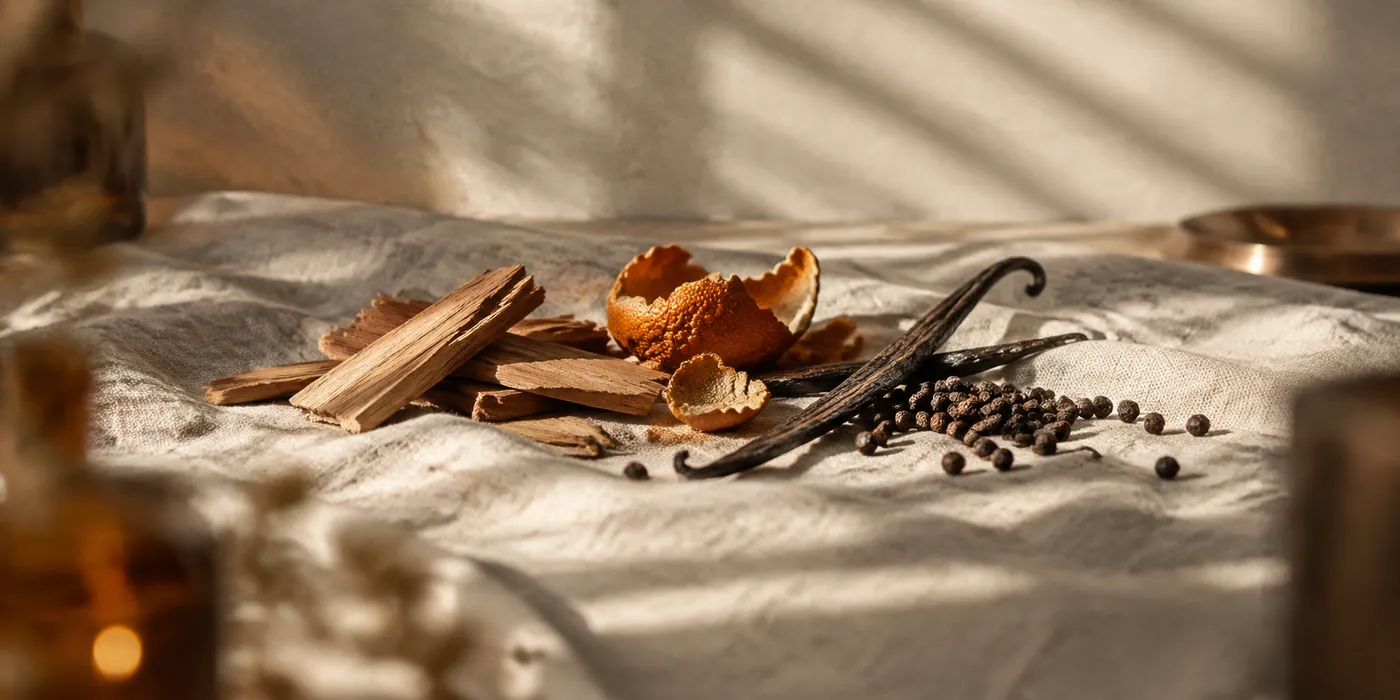
If you’re tired of the endless stream of identical sweet gourmand recommendations that flood every fragrance list right now, you are far from alone. The picks in this guide skip the overhyped, same-suggestion vanilla and caramel heavy scents to focus on under-discussed options that deliver depth without cloying sweetness. You don’t have to give up warm, inviting scent profiles entirely to escape the fatigue of the overdone gourmand trend.
Some links on this page may earn us a commission. It does not affect which products we recommend or how we rank them.
If you have spent any time browsing fragrance recommendations in the last few years, you know the pattern. Almost every top 10 list, every viral social media post, every casual community thread will lead you back to the same small set of sweet gourmand scents: heavy on vanilla, caramel, cookie dough, salted caramel, and other bakery-adjacent notes that blur together into one uniform, sugary cloud. For a lot of people, that stopped feeling exciting a long time ago.
This guide is built for that exact audience. We are not going to rehash the same three "non-sweet vanilla" picks that have been on every single fragrance list since 2021. We are not going to tell you to swap all warm scents for sharp, citrusy aquatics that feel completely disconnected from the cozy vibe you probably still enjoy. Instead, we are going to break down why that fatigue is so common, explain the real split in the fragrance community over the gourmand trend, and share under-discussed categories of scents that deliver depth and warmth without the cloying, overdone sweetness you are tired of.
The Great Gourmand Disagreement, And Why Your Fatigue Is Valid
Before we get to recommendations, it is important to address the split you have probably noticed if you have spent any time reading fragrance communities. A huge chunk of long-time hobbyists are openly exhausted by how saturated the market is with sweet gourmand releases. They point out that every new designer launch, every indie drop, every clone house exclusive seems to be built around the exact same core set of sugary notes, to the point that most new releases in the category are impossible to tell apart on first sniff. Many of these users say they can no longer tell if a new scent is even trying to be unique, or if it is just engineered to hit the familiar sweet gourmand notes that sell reliably.
But there is another large group of shoppers that do not feel that fatigue at all. For people newer to exploring fragrance, the sweet gourmand trend still feels fresh, full of new options to discover, and there is a whole subset of the community that is actively seeking out deeper, darker, more interesting sweet gourmand releases that they have not tried yet. Neither side is wrong. The difference comes down to how much exposure you have had to the category. If you have been testing new scents for years, and have sampled dozens of the same vanilla-caramel profiles, you are naturally going to hit a wall of fatigue much faster than someone who is just starting to explore beyond the generic drugstore colognes they wore in college.
The worst part of this split is that most fragrance guides refuse to acknowledge it. They either cater exclusively to the people who still want more sweet gourmand picks, or they throw out a tiny set of over-suggested "anti-gourmand" picks that everyone already knows, leaving the burnt-out middle group with no real useful recommendations. That is the gap we are filling here.
The Big Mistake Every Other Guide Makes For People Tired Of Sweet Scents
If you have searched for low-sweetness alternatives to sweet gourmands before, you have almost certainly seen the same handful of suggestions pop up over and over. Every list will name the same two or three vanilla-forward scents that are marketed as "not too sweet", even though they have been featured on every fragrance list for years, to the point that they are now just as overexposed as the sugary gourmands you are trying to escape. A lot of these picks still have a faint underlying bakery sweetness that will trigger that same sense of "I have smelled this a hundred times before" the second you put it on.
Instead of pushing those same overexposed picks, we built a framework for finding under-discussed low-sweetness scents that align with what most people who are tired of sweet gourmands actually want. You do not have to give up warm, rich, inviting notes entirely to escape the cloying sugar. You just have to look for scents that build that warmth from non-sweet sources, rather than leaning on processed sugar, caramel, or candy notes.
To make that clear, we mapped out the difference between the over-suggested picks you have already seen a thousand times, and the under-discussed alternatives that actually deliver on the low-sweetness promise:
| Common Over-Suggested Vanilla Pick | What Makes It Overdone | Under-Discussed Low-Sweetness Alternative | What Makes It Different |
|---|---|---|---|
| Mass market "no sugar" vanilla staple | Featured on every top list since the mid 2010s, worn by so many people that it no longer feels unique | Smoked wood vanilla | Vanilla note is paired with charred cedar and sandalwood, no added sweetener notes, reads more like a campfire than a bakery |
| Generic dark gourmand clone | Built to mimic the viral sweet gourmand that everyone already owns, still has a noticeable underlying caramel sweetness | Unsweetened cacao scent | Uses pure, bitter cacao absolute instead of sweetened chocolate notes, feels rich and cozy without any bakery vibe |
| Spiced vanilla holiday release | Limited run every year, overhyped on social media, loaded with hidden sugar notes to feel festive | Fermented resin warm scent | Uses aged labdanum and myrrh to get that rich, amber warmth without any added vanilla or sugar at all |
None of these under-discussed options show up on the generic top lists that flood search results, which means you are far less likely to walk into a crowded space and smell the exact same scent on three other people.
Three Under-Discussed Scent Categories To Explore Right Now
These three categories all deliver that same warm, approachable vibe that made you like sweet gourmands in the first place, without any of the cloying sweetness or overexposure that is making you tired of the trend.
1. Woody, Smoked Vanilla Profiles
If you are the type of person who still loves the soft, warm comfort of vanilla, but hates the sugary, cookie-like vanilla that is in every mass market gourmand, this is the category for you. These scents use pure, unadulterated vanilla bean absolute, no added sugar, no caramel, no artificial sweetener notes, and pair it with deep, smoky wood notes: charred cedar, burnt sandalwood, even a hint of smoldering pine. The end result smells like you pulled a vanilla bean out of the embers of a campfire, not like you are holding a sugar cookie. It still has that familiar, inviting vanilla warmth that makes it easy to wear to any occasion, but it never reads as sweet, and almost no one will peg it as a gourmand at all. This is exactly the type of scent that users in the fragrance clone community are actively searching for when they ask for masculine vanilla without any gourmand vibes.
2. Bittered Edible Adjacent Scents
You do not have to avoid all food-adjacent notes to escape sweet gourmand fatigue. The trick is to pick notes that are inherently unsweetened: dark roasted coffee that has been burnt just a little, 100% unsweetened cacao, black tea that has been steeped for so long it has a faint bitter edge, even roasted chestnut that has been cooked over a fire until the outside is slightly charred. None of these notes read as sweet, but they still carry that same cozy, comforting, familiar feeling that makes sweet gourmands so popular. They feel like a warm drink on a cold day, not like a dessert. Most generic fragrance lists do not group these scents as alternatives to gourmands, so they fly under the radar for most people who are burnt out on the trend.
3. Herb and Resin Forward Warm Scents
If you want to step completely away from any food-adjacent notes at all, but still do not want to wear a sharp, fresh aquatic or a crisp citrus scent, look for warm scents built around aged resins and dried herbs. Aged labdanum, myrrh, and frankincense all have a rich, honeyed warmth that feels thick and inviting on skin, without any actual sugar or sweetness. Pair that with a hint of dried thyme, smoked rosemary, or cured tobacco leaf, and you get a scent profile that feels rugged, cozy, and completely unique, with zero of the bakery sweetness that defines the overdone sweet gourmand trend. These scents have been around for decades, but they are almost never featured on mainstream top lists, so you will not run into them on every other person at a social gathering.
How To Find The Right Pick For You
Since none of these scents are the viral, overhyped releases that get pushed everywhere, you will not be able to tell if they work for you just from reading marketing copy. The best approach is to seek out small sample sizes of any option that catches your eye, and test it on your own skin over the course of a full day. Low-sweetness warm notes can read very differently depending on your unique skin chemistry, so a scent that sounds perfect on paper might lean too earthy or too sharp once it has had time to settle.
You do not have to settle for the same 5 over-suggested sweet gourmand picks that every list pushes. The entire point of exploring fragrance as a hobby is to find scents that feel personal to you, not just scents that the algorithm decides are popular that month. If you are tired of the endless sugary vanilla cloud that has taken over the market, there is a whole world of under-discussed, low-sweetness warm scents waiting for you to discover.
Related reading
 Scent ProfilesVanilla Fragrances for Men: Warm Without Being Sweet or Overly GourmandWe curate community-vetted low-sweet vanilla fragrances for men, skipping the dessert-like gourmand picks most guides push, to find a warm, masculine scent.2026-09-20 · 6 min read
 Scent ProfilesAmber Fragrances for Men: Warm, Resinous, and Easy to OverdoOur no-fluff buying guide to men's amber fragrances breaks down community debates, blind buy pitfalls, and tips to avoid overapplying these rich, warm scents.2026-09-20 · 7 min read
 By OccasionBest Winter Fragrances for Men: Warm, Dense, and Not Overpowering Non-Sweet PicksWe break down community-vetted non-sweet winter fragrances for men that work for casual days and formal events, no cloying sweetness or overwhelming projection.2026-09-20 · 7 min read
 Scent ProfilesFresh, Clean Fragrances for Men That Don’t Smell Like Bar SoapWe filtered out all soap-smelling fresh clean fragrances for men, highlight common blind-buy letdowns, and break down picks for every daily wear use case.2026-09-20 · 6 min read