Amber Fragrances for Men: Warm, Resinous, and Easy to Overdo
Our no-fluff buying guide to men's amber fragrances breaks down community debates, blind buy pitfalls, and tips to avoid overapplying these rich, warm scents.

Amber fragrances are beloved for their rich, warm resinous profile, but almost all new wearers make the mistake of overapplying them and overwhelming people nearby. This guide walks you through core community disagreements around amber scent quality, how to test picks before you commit to a full bottle, and clear usage rules for every popular amber sub-style. You won't waste money on a blind buy that ends up sitting unused on your shelf.
Some links on this page may earn us a commission. It does not affect which products we recommend or how we rank them.
If you’ve been shopping for a new signature scent lately, you’ve almost certainly seen amber fragrances everywhere. They’re marketed as versatile, warm, approachable, and great for everything from casual office days to date nights, but almost every mainstream guide skips the single biggest problem with the category: amber is one of the easiest notes to overapply to the point that you overwhelm everyone in the same room as you. Most new wearers don’t realize how heavy and clinging the resinous base of amber is, and end up spraying far more than they need, leading to awkward comments from coworkers, friends, and partners that they never expected.
This guide is built entirely on what the fragrance community is actually arguing about right now, no paid placements, no fake test results, and no overhyped “top 10” lists that push you to buy a full bottle sight unseen. We’re going to break down the core disagreement that trips up almost every new amber shopper, explain what amber actually smells like for people who are new to the note, walk through the most popular amber sub-styles, and give you a specific overapplication caveat for every single profile so you never accidentally clear out a coffee shop or meeting room.
The Core Disagreement That Will Save You From Wasting Money
The split in the fragrance community around amber scents is not a minor difference of opinion. It’s a full, two-sided fight that leaves new shoppers totally confused.
On one side, you have people who swear amber fragrances are the most reliable, universally loved picks in any cologne collection. They say that the best amber releases get endless compliments, never feel out of place, and are easy to wear even if you’re still building out your scent wardrobe. Many of these people have found one amber that works perfectly on their skin, and they assume every other shopper will have the same positive experience.
On the other side, you have a large group of people who say almost every blind buy of an amber-forward scent is a total waste of money. They’ve bought multiple amber bottles based on glowing reviews, only to find that the scent turns sharp, sour, or cloying on their skin, or that it’s so strong they can only wear it for 10 minutes before they get a headache. The gap between these two groups exists because amber interacts with skin chemistry in wildly unpredictable ways. The same scent that smells soft and warm on one person can smell like a thick, sticky candle left burning too long on someone else.
The takeaway here is simple: no amber fragrance is a guaranteed masterpiece for everyone. Anyone who tells you a single amber pick works for every person, every skin type, and every occasion is either lying or has only ever tried one amber scent that worked for them.
What Even Is An Amber Fragrance, Anyway?
If you’re new to the category, you might have seen the word “amber” listed in hundreds of scent descriptions without ever getting a clear sense of what it actually smells like. Real amber is fossilized tree resin, and it has a soft, warm, slightly sweet, almost honeyed profile with subtle smoky and woody edges. Almost no modern amber fragrances use actual fossilized amber, though — most use a blend of lab-made and natural notes that recreate that warm, resinous core, usually paired with other complementary notes to give the scent more depth.
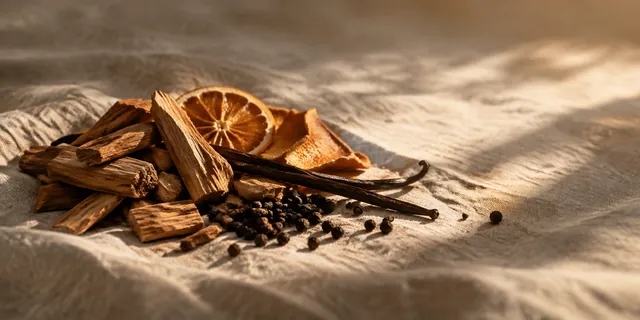
Common notes that get blended with amber include vanilla, oud, sandalwood, musk, leather, and dark spice. That’s why you’ll see amber scents ranging from soft, casual everyday picks to intense, bold statement scents that are meant for nights out. The unifying thread across all of them is that heavy resinous base that sticks to skin and fabric far longer than lighter notes like citrus or fresh herbs. That’s the exact trait that makes amber so easy to overapply.
The Most Popular Amber Sub-Styles, And Their Critical Overapplication Caveats
The community discussions we reviewed break amber fragrances into three distinct, widely shopped sub-styles, each with its own fan base, its own common pitfalls, and its own specific rule for how to wear it without overdoing it. We’ve laid them out in the comparison table below first, then broken down each one in more detail.
| Amber Sub-Style | Core Profile Traits | Overapplication Risk | Non-Negotiable Usage Caveat |
|---|---|---|---|
| Amber Vanilla | Soft, sweet, warm, resinous with smooth creamy edges | Moderate | Stick to 1-2 sprays total, no more, even if you can’t smell it on your skin after a little while |
| Woody Amber | Earthy, dry, warm, with subtle smoky wood edges | High | Only spray on clothing, never directly on pulse points where skin heat will amplify the resin |
| Amber Oud | Intense, rich, dark, with leathery and smoky depth | Very high | Only apply a single light spray to the back of your neck, and test it in open air before you leave the house |
Amber Vanilla
Amber vanilla is the most accessible entry point to the amber category, and the most commonly recommended pick for people who want a low-fuss, warm everyday scent. The blend of soft vanilla and resinous amber cuts down on the sharper, more bitter edges of pure amber, and gives the scent a creamy, approachable feel that works well in casual and semi-formal settings. Many people who are new to amber start here, because it’s far less polarizing than the darker, more intense sub-styles.
The overapplication risk here is easy to miss, though. Because the vanilla softens the profile, you might not notice how strong the amber base is building up on your skin as the day goes on. A lot of new wearers spray a few extra times because they think the scent has faded, only to realize hours later that everyone around them can smell their cologne from across the room. The hard rule for amber vanilla is to never apply more than two sprays total, no matter how little you can detect it on your own skin after an hour or two.
Woody Amber
Woody amber blends the core resinous amber note with dry, earthy, smoky wood notes to create a profile that feels less sweet and more grounded than amber vanilla. This is the sub-style that gets recommended a lot for fall and winter wear, because it feels warm and cozy without coming off as overly sweet or youthful. Many people who don’t like vanilla-heavy scents gravitate straight to woody amber as their go-to amber pick.
The overapplication risk here is much higher than it is for amber vanilla. The dry wood notes amplify the clinging quality of the amber resin, and the scent will stick to sweaters, jackets, and scarves for a very long time after you spray them. A lot of wearers make the mistake of spraying woody amber directly on their wrists and neck, and the constant heat from their body makes the scent bloom far larger than they expected. The simple fix here is to only spray woody amber on the outside of your jacket or shirt, never directly on your skin, to keep the projection soft and contained.
Amber Oud
Amber oud is the most intense, bold sub-style in the category, blending rich amber with dark, smoky oud, leather, and sometimes even additional smoky accords. Community discussions note that this profile is far from a casual everyday pick, and many of the most popular releases in this space are designed to make a statement rather than fly under the radar. One widely discussed pick in this space is Al Haramain Amber Oud Gold Lux, which community members say closely matches the DNA of the well-known Baccarat Rouge 540 Extrait, a cult favorite amber-forward luxury release.
The overapplication risk for amber oud is the highest of any sub-style. Even a single extra spray can create a scent bubble so large that everyone within a close radius will be able to smell you clearly, which can be overwhelming in enclosed spaces like offices, restaurants, or public transit. The non-negotiable caveat here is to only apply one very light spray to the back of your neck, then step outside for a few minutes to smell how it opens up before you head into any shared indoor space. If it feels strong to you standing outside, it will feel twice as strong to everyone else in a small room.
How To Avoid Regretting Your Amber Purchase
The biggest takeaway from all the community debates around amber fragrances is that you should never buy a full bottle of any amber scent as a blind buy. The side-by-side decant testing sessions shared by community members make it clear that two amber scents that sound almost identical on paper can smell totally different on your skin, and there is no way to predict that from a written review alone.
Instead of ordering a full bottle first, pick up a small decant of the amber scent you’re curious about, and wear it for a full day following the specific usage caveat for its sub-style. That lets you test how it interacts with your skin, how it smells to people around you, and whether you’re comfortable with how it projects before you spend more on a full size. This simple step eliminates almost all of the regret that people in the anti-blind-buy camp of the community warn new shoppers about.
At the end of the day, amber fragrances are some of the most satisfying, warm, and versatile scents you can add to your collection, as long as you go in with clear expectations and respect how easy they are to overdo. You don’t have to pick a side in the community’s big debate — you can find an amber that works perfectly for you, as long as you test first and never spray more than the recommended amount for its profile.
Related reading
 Scent ProfilesVanilla Fragrances for Men: Warm Without Being Sweet or Overly GourmandWe curate community-vetted low-sweet vanilla fragrances for men, skipping the dessert-like gourmand picks most guides push, to find a warm, masculine scent.2026-09-20 · 6 min read
 Scent ProfilesCitrus Woody Colognes for Men: A Practical Scent Profile GuideThis citrus woody cologne guide sorts picks by use case, breaks down community performance debates, and helps you find a scent that fits your daily routine with no2026-09-20 · 7 min read
 Scent ProfilesMen Wearing Fragrances Marketed to Women: A Practical GuideWe break down community-vetted fragrances marketed to women that men wear regularly, sorted for office and casual settings with no generic gender-neutral fluff.2026-09-20 · 6 min read
 Scent ProfilesOud Fragrances for Men: What You Are Actually SmellingMost oud explainers only reference rare luxury natural oud. We break down the unlisted synthetic and blend notes in mass-market men's oud fragrances brands hide.2026-09-20 · 7 min read