Fragrance Sample Sets: How to Pick One That Teaches You Something
We skip generic sponsored fragrance sample set recommendations to break down user-reported value across niche, clone, and designer sets so you avoid useless filler
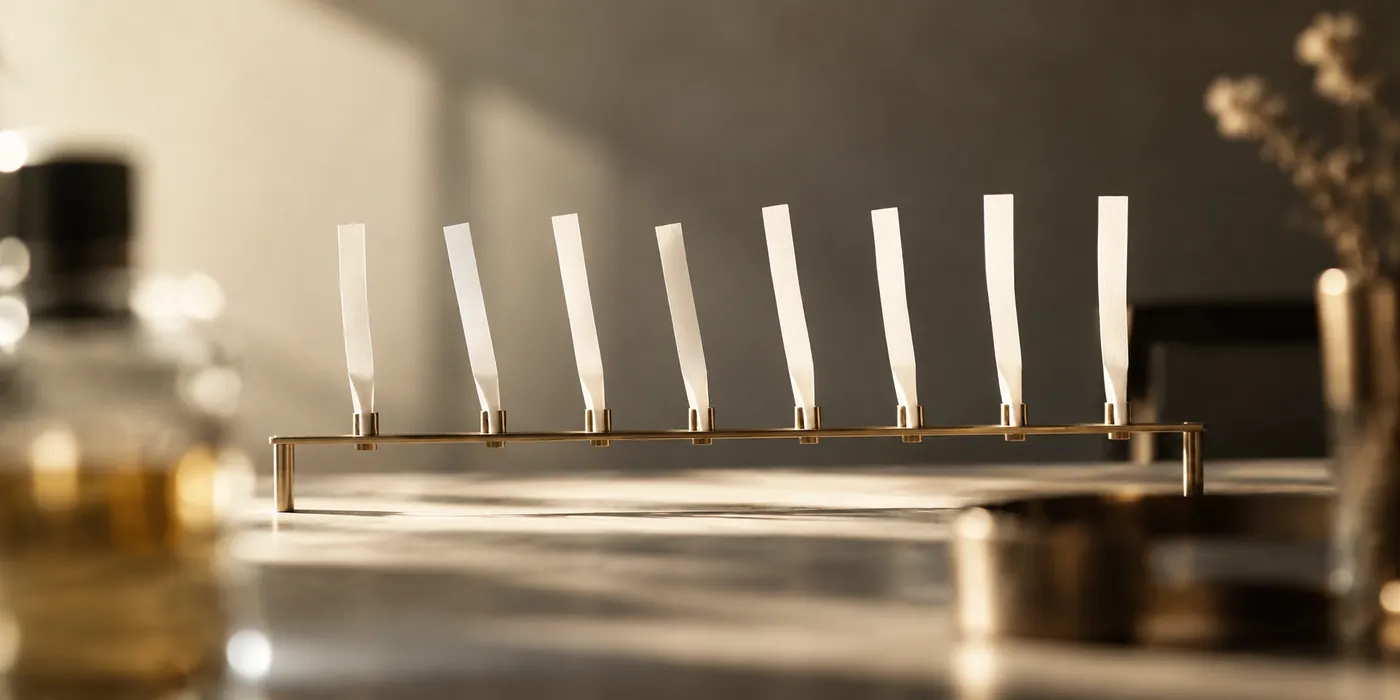
Most fragrance sample sets waste your time by packing in obscure, unappealing scents that no one buys in full size. You don’t have to overpay for official niche brand sets to get usable value, and well-curated clone discovery sets can be just as helpful for narrowing down your preferences. The best sets align with the specific scent profiles you already like, rather than forcing you to test random picks a brand wants to promote.
Some links on this page may earn us a commission. It does not affect which products we recommend or how we rank them.
If you’ve ever shopped for a fragrance sample set before, you’ve almost certainly run into the same problem: every top listicle pushes the exact same handful of sponsored sets, all of which are marketed as “curated” or “the best of the best” for new shoppers. A huge number of people who buy those sets end up tossing most of the vials untested, because they’re full of random scents no one would ever actually buy in full size.
This guide skips all of those paid placements entirely, and breaks down what actual fragrance shoppers report about the three major categories of sample sets, so you can pick one that actually helps you narrow down your full bottle preferences instead of wasting your time. We’re not ranking products here, because the right set for you depends entirely on what you already know about your own taste, and what you’re trying to learn as you shop.
The Core Disagreement No Sponsored Post Will Tell You
The entire debate around fragrance sample set value comes down to one unresolvable tension between what brands want you to buy, and what you actually need as a shopper. Brands that sell official sample sets see these packs as a low-risk way to get you to try their entire catalog, including the deep, unadvertised releases that never sell well as full bottles. Most shoppers, by contrast, see a sample set as a low-risk way to test the exact popular scents they’ve already heard good things about, so they don’t waste money on a full bottle they’ll hate after a few wears.
That misalignment of priorities is why so many people walk away from their first sample set purchase frustrated. The three camps of community users all have valid points, but none of their blanket recommendations work for every shopper. You don’t have to pick a side that says all niche sets are great or all clone sets are garbage — you just need to know what tradeoffs each category comes with, and pick the one that matches your goals.
Breakdown Of The Three Main Sample Set Categories
Every fragrance sample set on the market falls into one of these three buckets, and each has distinct pros and cons that users consistently report across community discussions.
1. Official Niche Brand Sample Sets
These are the sets sold directly by well-known niche fragrance houses, like the Comme Des Garcons set discussed in community feedback. The biggest upside that users report for these sets is scent accuracy: every vial is pulled directly from the brand’s exact production line, so what you test in sample form is identical to what you’ll get if you buy a full bottle. There’s no risk of weird off-notes or inconsistent formulation that changes how the scent smells on your skin.
The huge, widely reported downside is curatorial bias. Brands almost always fill these sets with a mix of 2 or 3 of their top fan-favorite releases, and a half-dozen or more obscure, deep-cut scents that they never advertise and almost no one buys in full size. For the Comme Des Garcons set specifically, many testers noted that most of the included scents were so far outside the brand’s well-known public identity that they had never even heard of them before buying the set. Many users who went into the set already liking the brand’s signature style finished testing every vial and didn’t find a single new scent they wanted to buy full size.
The pattern suggests that these sets are only a strong pick if you are already a dedicated fan of that specific brand’s house style, and you want to explore their full catalog beyond the 2 or 3 releases you already know. If you’re new to the brand, you’re far more likely to end up with a pile of scents you don’t care for.
2. Clone Brand Discovery Sets
These are the sets sold by brands that make scents formulated to match the profile of popular, well-loved designer and niche releases. The J. Discovery Set discussed in community feedback is a typical example of this category. The biggest advantage users report for these sets is that their curation is almost entirely focused on popular, widely discussed scent profiles. Unlike official niche sets, clone brands don’t have a huge 30-year back catalog of obscure releases they’re trying to clear out, so they build their sets around the exact scents people are already searching for.
The tester for that clone set reported that every single vial they received was a recognizable take on a scent profile they had already seen recommended in fragrance communities, so they could quickly test a huge range of different styles and narrow down exactly which ones they wanted to pursue a full version of. No filler, no random obscure picks no one cares about.
The tradeoff that users note is inconsistent scent accuracy. Some clone brands nail their target profiles very closely, while others have noticeable off-notes that make the scent smell very different than the original it’s based on. That can throw off your judgment of whether you actually like the core profile, if you end up testing a bad clone of a scent you were curious about. For shoppers who are still figuring out what general scent families and notes they enjoy, though, most users report these sets deliver far more actionable information than official niche sets for far less hassle.
3. Generic Third-Party and Designer Sample Batches
These are the unthemed, mixed sample packs sold by third-party retailers that pull random scents from across designer and niche lines, with no unifying brand or profile focus. The community thread covering recent sample batch purchases is full of stories of users who bought these packs and ended up with almost nothing they liked.
The biggest risk of these sets is total lack of curatorial logic. Many retailers fill these packs with leftover, unsellable inventory that they can’t move any other way, so you can end up with a huge pile of scents that are completely outside the taste preferences you stated when you bought the pack. If you only like woody, earthy scents, you might end up with almost nothing but bright, sharp aquatic citrus scents you can’t stand, and the entire set is a total waste. Some users enjoy the surprise element of these packs and like stumbling on random scents they never would have sought out, but most people who buy them to narrow down a full bottle purchase end up frustrated.
Side-by-Side Comparison Of User-Reported Traits
| Sample Set Type | Curatorial Bias (per user reports) | Scent Accuracy | Best Used For | Common Red Flag |
|---|---|---|---|---|
| Official Niche Brand Set | Prioritizes deep, underperforming catalog cuts over fan favorites | Very high, matches brand's full bottle output exactly | Fans of the specific brand's existing house style | Set lists more than a handful of scents you have never seen mentioned anywhere in fragrance communities |
| Clone Brand Discovery Set | Prioritizes popular, widely discussed existing scent profiles | Variable, some match their target closely, others have noticeable off notes | Shoppers who want to test a wide range of popular profiles quickly | Set does not list the exact reference scents each vial is meant to replicate |
| Generic Third-Party Sample Batch | No unifying curatorial logic, picks are often leftover inventory from the retailer | Mixed, depends entirely on which individual scents are included | Shoppers who want to experiment with totally unplanned scent types | The set does not let you filter for specific scent families you already know you like |
4 Rules To Pick A Sample Set That Actually Delivers Value
These simple rules are pulled directly from the most common complaints and success stories shared across community discussions, and they will help you avoid almost all of the wasted purchases other shoppers report.
First, skip any set that does not publish a full, public list of every single scent included. If a brand hides the full list of contents behind a “mystery” or “surprise” marketing hook, that is a near-universal sign they are dumping leftover obscure stock no one wants. You should be able to look up every single scent on the list before you buy, to confirm they are scents people actually talk about and buy full size.
Second, don’t default to the most expensive niche set just because you assume it will be higher quality. Many users report that they got far more actionable information from a well-curated clone set that let them test a wide range of popular profiles, than they did from an official niche set that only had one or two scents they had ever heard of. Higher cost does not equal better value if most of the vials in the set are scents you will never wear.
Third, match the set’s curation to what you already know you like. If you already know you hate sweet, gourmand scents, don’t buy a set that’s heavy on those, no matter how many positive reviews it has. The point of a sample set is to narrow down your full bottle picks, not to force you to test stuff you already know you don’t want. There’s no prize for stepping outside your taste if you’re just trying to find a daily wear scent you’ll enjoy.
Fourth, avoid any set that markets itself as a way to “discover hidden gems” no one else knows about. 9 times out of 10, those hidden gems are hidden for a reason: almost no one likes them. The best sample sets don’t try to surprise you with random unknown scents — they give you easy access to the popular, well-loved profiles that you were already curious about, so you can test them for yourself before you commit to a full bottle.
At the end of the day, the entire point of buying a fragrance sample set is not to collect a bunch of tiny vials to show off, it’s to avoid wasting money on a full bottle that you end up hating after a few wears. The best set for you isn’t the one that some influencer got paid to recommend, it’s the one that lines up exactly with what you’re trying to learn as a shopper.
Related reading
 By OccasionFragrance for Hot, Humid Weather: Why Most Fresh Scents FailWe break down why most popular fresh summer fragrances fall apart in sweltering, humid conditions, and share underdiscussed picks that actually hold up when you2026-09-20 · 7 min read
 Avoiding Bad BuysHow to Test Cologne Before Buying: A Method That Actually Predicts WearSkip useless test strips and bad blind buys. This guide walks through community-backed methods to test cologne before you pay for a full bottle.2026-09-20 · 7 min read
 Brand ComparisonsArmaf Fragrances: Where the Value Actually IsWe break down conflicting user reviews for top Armaf scents to separate the releases that deliver on value from the letdowns other buying guides ignore.2026-09-20 · 8 min read
 By OccasionBest Winter Fragrances for Men: Warm, Dense, and Not Overpowering Non-Sweet PicksWe break down community-vetted non-sweet winter fragrances for men that work for casual days and formal events, no cloying sweetness or overwhelming projection.2026-09-20 · 7 min read