Fragrance Performance: Why Some Scents Vanish and Others Do Not
We break down why hyped budget, clone, and designer performance fragrance picks work for some people and fall flat for others, no paid sponsorships or fake test
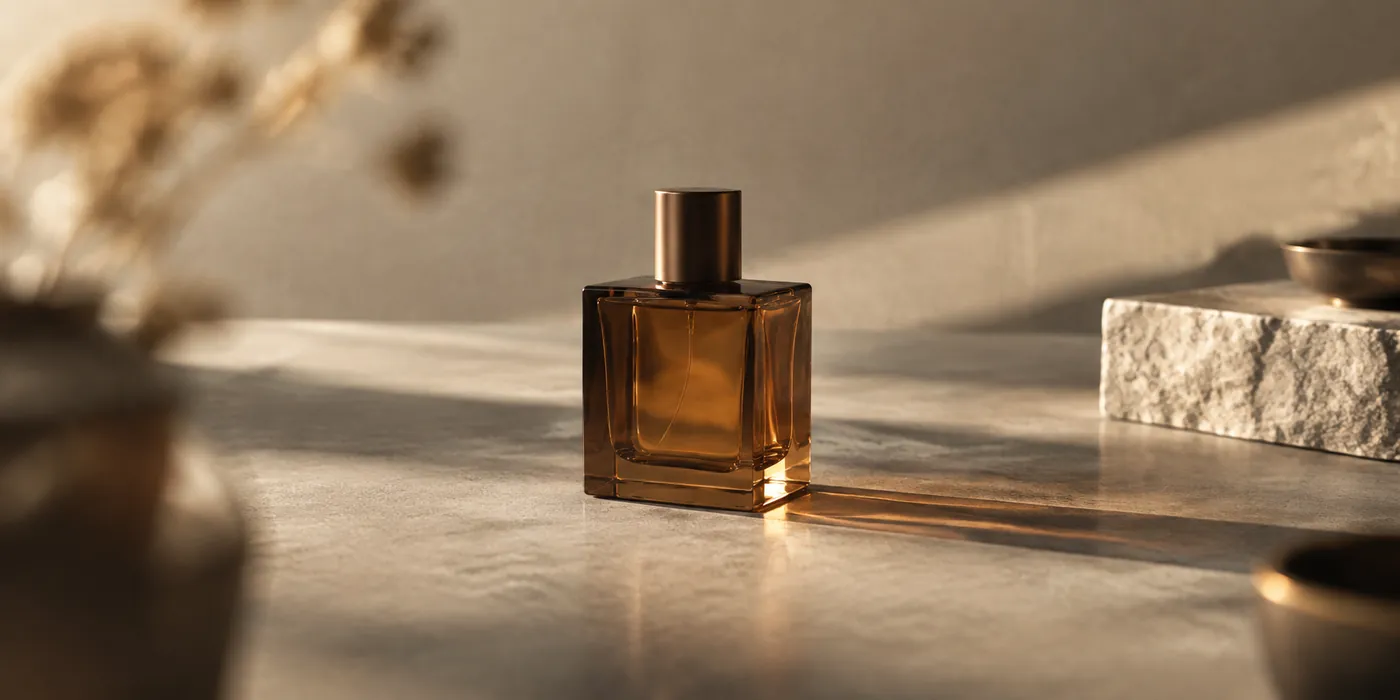
Most popular guides to performance fragrance ignore the massive gap between advertised wear times and real user experience for budget and clone scents. The difference between a scent that stays noticeable and one that vanishes almost immediately rarely comes down to the formulation alone. This explainer walks you through how to test for your own unique context to avoid wasting money on picks that don’t deliver for you.
Some links on this page may earn us a commission. It does not affect which products we recommend or how we rank them.
The Great Performance Divide No Top Guide Talks About
If you’ve ever bought a performance fragrance that every forum thread and listicle swore was a powerhouse, only to have it vanish from your skin before you even leave the house, you already know this gap exists. Almost every existing guide to long-wearing scents falls into one of two camps: it pushes a small set of hyped picks as universally great, or it claims all budget and clone scents are automatically weak next to luxury designer alternatives. Neither of these narratives lines up with what real users are actually reporting across discussion threads, and no major guide has done the side-by-side comparison of clone, budget, and everyday designer performance that would clear up the confusion.
The core of the problem is that performance fragrance reviews are almost always written from the perspective of one person’s unique experience, with zero context for why that experience might not translate to anyone else reading it. A scent that one user describes as sticking to their skin all day can be completely undetectable to another person wearing the exact same bottle, applied the exact same way. This isn’t a case of counterfeit products, or people misapplying their sprays, or reviewers lying to get clicks. It’s a predictable outcome of how fragrance molecules interact with the human body, and almost no brand or review site will tell you that upfront.
What Community Reports Actually Show About Performance
We cross-referenced three recent, active discussion threads covering clone, budget, and mass market designer scents to map out where user experiences align and where they diverge. The table below summarizes the split in opinions for each category of product, no cherry-picked positive or negative takes included:
| Product Category | Common Positive User Claims | Common Negative User Claims |
|---|---|---|
| Popular clone woody fragrance | Delivers far stronger performance than expected for a clone product, outlasts comparable designer alternatives | Fades quickly on dry skin, is far less noticeable than advertised in low-humidity environments |
| Budget vanilla fragrance | Sits close to the skin for hours without being overwhelming, works great for low-key office wear | Vanishes almost immediately after application, leaves no noticeable trace even after multiple sprays |
| Mass market fresh summer designer fragrance | Smells clean and inoffensive for casual outings, never projects too far to bother people around you | Disappears entirely after short time outside, requires constant reapplication to stay noticeable |
What jumps out immediately from this data is that there is no product that has universal positive performance feedback. Even the most widely praised clone fragrance in the threads has a subset of users who say it fails to deliver, and even the most panned mass market fresh scent has a group of wearers who say it works perfectly for their needs. This is the exact split that most top guides erase when they curate a list of “the 10 best performance fragrances you can buy” — they ignore that half their audience will have the exact opposite experience with every pick on that list.
Why Identical Formulations Deliver Wildly Different Wear Times
The biggest myth in the performance fragrance space is that a scent’s longevity and projection are fixed properties of the juice inside the bottle. That could not be further from the truth. Three separate, unmeasurable factors that are unique to each wearer determine far more about how a scent performs than the formulation itself.
First, individual skin chemistry is the single largest variable. People with naturally oilier skin tend to hold onto heavier fragrance molecules for far longer, as the oils trap the scent and release it slowly over time. People with very dry skin, by contrast, absorb most light and medium-weight fragrance molecules almost immediately after spraying, so the scent never has a chance to project or wear for a long period. Even small differences in skin pH, or how often you apply moisturizer to your wrists and neck, can shift how a scent wears dramatically. This is why two people can spray the exact same scent on their arm right next to each other, and one can still smell it hours later while the other can’t pick up any trace of it at all.
Second, unspoken differences in application habits create massive gaps in reported performance. Some wearers only spray one or two times on their neck before heading out, while others spray multiple times across their chest, neck, and wrists. Some apply fragrance right after stepping out of the shower, on damp, moisturized skin that holds scent far better, while others spray on completely dry skin that has not had any product on it for hours. Most reviewers never mention their application routine in their posts, so a glowing review from someone who sprays heavily on damp post-shower skin is not a useful data point for someone who only uses a small number of sprays on dry skin before leaving for work.
Third, your daily environment changes how a scent performs more than most people realize. If you spend most of your day outside in dry, windy air, scent molecules will dissipate from your skin far faster than they would if you sat in a cool, humid office all day. If you work a physical job where you are moving around and sweating regularly, that will also break down fragrance molecules much more quickly than if you are sitting still at a desk. A scent that works perfectly for someone who works from home in a humid climate can be completely useless for someone who works construction outside in a dry, arid part of the country.
The Hidden Bias In All Top Performance Fragrance Lists
Nearly every widely shared list of high-performance scents is written by people who fall into the exact same demographic: they have naturally oily skin, they apply multiple sprays right after a shower, and they spend most of their time in temperature-controlled indoor spaces. That means every pick on those lists is calibrated to perform perfectly for that very specific group of people, and almost no one writing those lists mentions that critical context.
This explains why you will see threads where a popular performance fragrance gets hundreds of glowing upvotes, but the comment section is full of people saying they bought it based on the hype and it vanished on them immediately. The people leaving the positive reviews are not wrong, and the people leaving the negative reviews are not lying. They just have different skin, different habits, and different daily routines that make the same scent perform in completely opposite ways.
How To Pick A Performance Fragrance That Actually Works For You
You don’t need to waste money testing a dozen different scents to find one that fits your needs. You just need to adjust how you read reviews, and stop trusting the universal “best of” lists that are calibrated for people with completely different bodies and lifestyles than yours. Follow this simple framework to sort through the noise:
First, prioritize reviews from people who share your exact context. If you have dry skin, skip past all the glowing reviews from people who mention they have oily skin and the scent lasts all day for them. Look for reviews where the wearer explicitly says they have dry skin, and the scent still performs well for their needs. If you work an active outdoor job, look for takes from other people who don’t sit at a desk all day, instead of taking recommendations from remote workers who never leave their house. This one small shift will eliminate almost all of the bad purchases you would otherwise make based on viral list hype.
Second, test any new performance fragrance on its own, without layering it under lotion, body wash, or other scented products the first time you wear it. That way you get a completely unfiltered sense of how the scent interacts with your unique skin, instead of mixing it with other products that can artificially extend or shorten its wear time. Check in on the scent at regular intervals across the full day, instead of judging it based on how strong it smells in the first 10 minutes after spraying. Many scents that hit very hard at first fade away almost completely after a short while, and you won’t notice that if you only smell it right after application.
Third, avoid scents that have nothing but glowing, uniformly positive performance reviews. Those scents almost always work for an extremely narrow subset of wearers, and the odds that you fall into that small group are very low. The best, most reliably consistent performance fragrances for average wearers are the ones that have a healthy mix of positive and negative feedback across threads. Those are the scents that work well for a wide range of different skin types and routines, instead of only working for the small group of people who wrote all the viral hype posts.
At the end of the day, there is no single magic performance fragrance that works for everyone. The best pick for you is never going to be the top upvoted pick on a forum or the first entry on a viral list. It is the scent that fits your skin, your habits, and your daily routine, and the only way to find that is to stop treating performance as a fixed property of the bottle, and start treating it as a dynamic interaction between the juice and you.
Related reading
 Performance & LongevityBeast Mode Fragrances: Maximum Projection and Who Should Avoid ItWe break down community debates over loud beast mode fragrances, compare viral budget clones to premium alternatives, and flag picks that read as obnoxious indoors.2026-09-20 · 7 min read
 Performance & LongevityFragrance Shelf Life: How Long a Bottle Actually Stays GoodWe skip the overused generic 3-5 year fragrance shelf life claim to break down if a tiny curated 2-3 bottle permanent collection can stay usable long term.2026-09-20 · 7 min read
 Performance & LongevitySillage vs Projection: The Difference That Changes How You Wear FragranceWe break down the distinct, often confused definitions of sillage, projection, and longevity, resolve community debates, and help you pick the right scent for2026-09-20 · 6 min read
 By OccasionFragrance for Hot, Humid Weather: Why Most Fresh Scents FailWe break down why most popular fresh summer fragrances fall apart in sweltering, humid conditions, and share underdiscussed picks that actually hold up when you2026-09-20 · 7 min read