Extrait vs EDP vs EDT: What the Label Actually Tells You
Skip the generic percentage lists. We break down what these concentration labels actually mean for real daily wear, based on community fragrance user habits.
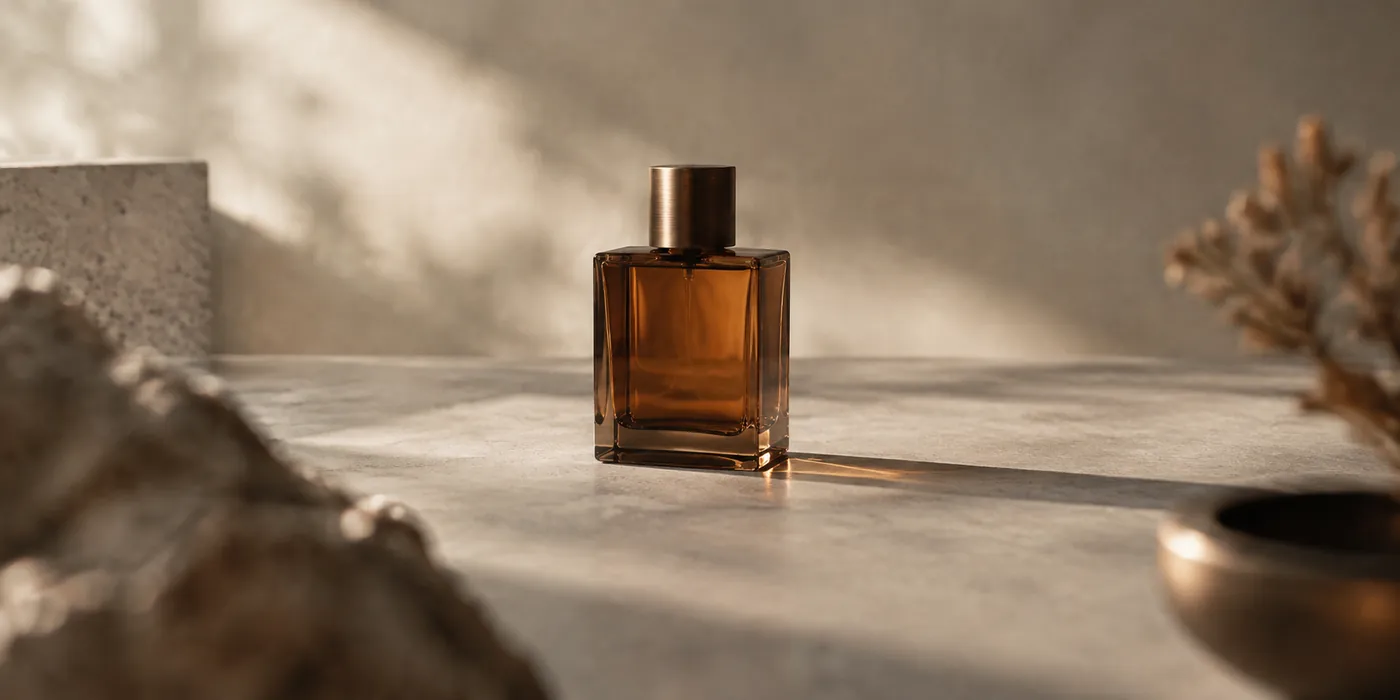
Most generic guides that list fixed concentration percentages for these tiers are misleading, because actual wear experience varies wildly across brands and individual skin chemistry. Extrait is not automatically a better purchase than EDP for most regular daily users, even if it has a higher concentration of oils. EDT still has a clear use case for casual, low-key wear where you don’t want your scent to draw unwanted attention.
Some links on this page may earn us a commission. It does not affect which products we recommend or how we rank them.
If you’ve ever shopped for men’s fragrance, you’ve seen the three labels everywhere: extrait de parfum, eau de parfum, eau de toilette. Almost every top-ranking guide you’ll find will give you a neat, fixed breakdown of oil concentration ranges for each, as if every brand follows those rules exactly, and as if higher concentration automatically equals a better product. But that’s not what real people who rotate fragrances every day actually report. The conversation around these three concentration tiers is far messier, and the biggest split in the community isn’t about which is technically “stronger” — it’s about which one is actually worth paying extra for, given how you wear scent in your normal routine.
This explainer skips the generic, unenforced percentage rules that every other site regurgitates, and breaks down what these labels actually mean for your daily wear, based on what regular fragrance users report in active community discussions.
The Big Disagreement No Generic Guide Tells You About
You will find no shortage of people online who will tell you that extrait de parfum is the obvious endgame for any fragrance fan, and that once you try a properly formulated extrait you will never go back to wearing EDP or EDT again. This group argues that higher concentrations cut out the harsh synthetic alcohol top notes that show up in lower tiers, and that the scent evolves the way the perfumer intended for the full duration of wear, no weird thinning or off-notes popping up halfway through the day.
But you will find just as many people who say they wasted money on a luxury extrait that they could barely wear, because one single spray projected so far that strangers across a room could smell it, and it clung to their jacket fabric for days after a single application. This group argues that EDP is the sweet spot for almost all regular daily use, and that extrait is a niche product for special occasions that is massively overpriced for what it delivers.
This split does not come from one side being wrong and the other being right. It comes from people approaching the question from completely different use cases that generic guides never account for. Someone who only wears fragrance to date nights and formal events will have a completely different experience of extrait than someone who wears a new scent to a shared open plan office every single weekday.
Why The Standard Percentage Breakdown Is A Lie
The biggest lie that almost every top-ranking fragrance guide repeats is that there is a universal, legally enforced standard for what counts as EDT, EDP, or extrait. There is no such standard in most major markets, including the US. Brands can and do put these labels on whatever they want, to fit their pricing and marketing strategies.
Community discussion of mid-tier designer fragrances confirms that many mass market brands do not follow the neat concentration ranges that generic guides list. Some designer EDTs are stronger than some indie EDPs, some drugstore EDPs outperform luxury extraits, and none of that information is printed on the bottle label. Two different fragrances with the exact same EDP label can wear like completely different products, with wildly different projection and scent evolution, and there is no way to tell that from the concentration name alone.
This is why you can’t trust a guide that tells you “EDP is always stronger than EDT” — it’s simply not true across the thousands of different fragrances on the market.
What Each Label Actually Means (Based On Real User Reports)
Instead of relying on made-up concentration ranges, we’ve broken down what each label typically signals, based on what regular fragrance users consistently report across community discussions.
Eau De Toilette
EDT is almost always the lightest of the three common concentration tiers, formulated to be soft and close to the skin for the first hour after you spray it. It’s the go-to for people who don’t want their scent to be noticeable to anyone who isn’t standing right next to them. A lot of classic casual fragrances only get released as EDT, because the lighter concentration keeps bright, fresh top notes from being overwhelming in warm weather.
The big downside people note is that EDT can fade completely very quickly if you have naturally oily skin, or if you’re spending a lot of time outside in the heat. It’s almost never worth paying a big premium for an EDT over the other two options, unless you specifically want that soft, low-key profile for very specific use cases.
Eau De Parfum
This is the middle tier, and the one that most people in community discussions end up defaulting to for daily wear. Users report that EDP strikes a reliable balance: it’s strong enough that you don’t have to re-spray constantly through the day, but not so strong that one accidental over-spray leaves you reeking for hours.
The big advantage people cite for EDP over extrait is versatility: it works for the office, for dates, for running errands, for almost every normal situation you encounter in a week. A lot of users note that EDP versions of popular fragrances are often blended to be more balanced, with none of the heavy, thick base notes that can make extrait feel cloying in warm weather. The catch, as multiple threads point out, is that EDP quality varies wildly between brands, so you can’t assume two different EDPs will perform the same just because they share the label.
Extrait De Parfum
This is the highest concentration tier, and the one that generates the most debate. Users who love extrait say that the higher oil content means the scent evolves much more smoothly over time, with no sharp synthetic edges, and the scent stays true to its core profile instead of thinning out into a faint alcohol smell after a couple of hours.
But critics say that extrait is almost always formulated for special occasion wear, not daily rotation. Many people report that extrait projects far more than they expected, to the point that strangers across a room can smell it, which is not appropriate for a lot of workplaces. A lot of users also note that extrait versions of popular scents often smell noticeably different from the EDP or EDT iterations, sometimes to the point that it doesn’t even feel like the same fragrance you liked the smell of in the store.
Side By Side Comparison Of User Experiences
| Trait | Eau de Toilette | Eau de Parfum | Extrait de Parfum |
|---|---|---|---|
| Typical wear profile | Very close to skin, soft sillage | Moderate projection, sits at arm's length for most of the day | Heavy sillage, can be smelled across a room with a single spray |
| Best for | Casual low-key wear, hot summer days, people who prefer unnoticeable scent | Daily rotation, office use, most regular social settings | Special occasions, date nights, users who want maximum scent evolution |
| Common user complaints | Fades very quickly on oily or warm skin | Can develop a sharp synthetic edge if over-applied | Overpowering for everyday use, often smells different than lower concentration versions |
| Value for regular rotation | Rarely justifies a price premium over EDP | Most consistent value for most users | Only worth the extra cost if you have a specific use case |
How To Pick The Right One For You (No Percentages Required)
You don’t need to memorize arbitrary concentration numbers to pick the right tier for your needs. Follow this simple framework instead, based on what community users say they wish they knew before their last purchase:
First, ask yourself what you’re wearing the fragrance for, most of the time. If you’re reaching for this bottle to be part of your daily work rotation, skip the extrait unless you already know you prefer extremely heavy projection, and your workplace culture is fine with strong scents. There is no reason to pay extra for a concentration that you will have to limit to one or two outings a month.
Second, check if the fragrance you’re looking for has user reviews that specifically compare different concentrations of the exact same scent. Multiple community threads note that a lot of people buy an extrait of a fragrance they loved as an EDP, only to find the scent profile is completely different, with none of the bright top notes they originally liked. You want to confirm that the higher concentration doesn’t change the core notes you’re drawn to before you buy.
Third, test one single spray of the concentration you’re considering on your skin before you buy a full bottle. The same concentration can wear completely differently on different people’s skin, so there’s no way to predict performance just from the label.
Our Final Take
For most men shopping for a fragrance to add to their regular rotation, EDP is the best pick by a wide margin. It avoids the common pitfalls of EDT fading too fast, and the common pitfalls of extrait being too strong and too niche for everyday use. Extrait is not a universal upgrade, no matter what luxury brand marketing tells you, and EDT still has a clear place in your collection if you want a super low-key scent for casual days. The biggest mistake most buyers make is paying a big premium for extrait just because they assume higher concentration equals better, without stopping to ask if they actually want that much scent on them for most of their normal days.
Related reading
 Performance & LongevitySkin Scents vs Projection: Choosing the Right Presence for the RoomSkip generic definitions of skin scent and projection. This guide maps fragrance performance to your daily routines so you pick a scent that fits every space you2026-09-20 · 7 min read
 Performance & LongevityHow Long Does Cologne Actually Last? By Concentration and Skin TypeSkip inflated brand 12+ hour wear claims. We break down real cologne longevity on skin, clothes, and in bottles, sorted by concentration, skin type, and application2026-09-20 · 7 min read
 Performance & LongevitySillage vs Projection: The Difference That Changes How You Wear FragranceWe break down the distinct, often confused definitions of sillage, projection, and longevity, resolve community debates, and help you pick the right scent for2026-09-20 · 6 min read
 Performance & LongevityFragrance Shelf Life: How Long a Bottle Actually Stays GoodWe skip the overused generic 3-5 year fragrance shelf life claim to break down if a tiny curated 2-3 bottle permanent collection can stay usable long term.2026-09-20 · 7 min read