What Is a Scent Wardrobe? A Simple Framework for Owning Fewer Fragrances
Learn what a scent wardrobe actually is, the big community debate over collection size, and a practical framework to build a setup that fits your real daily routine.
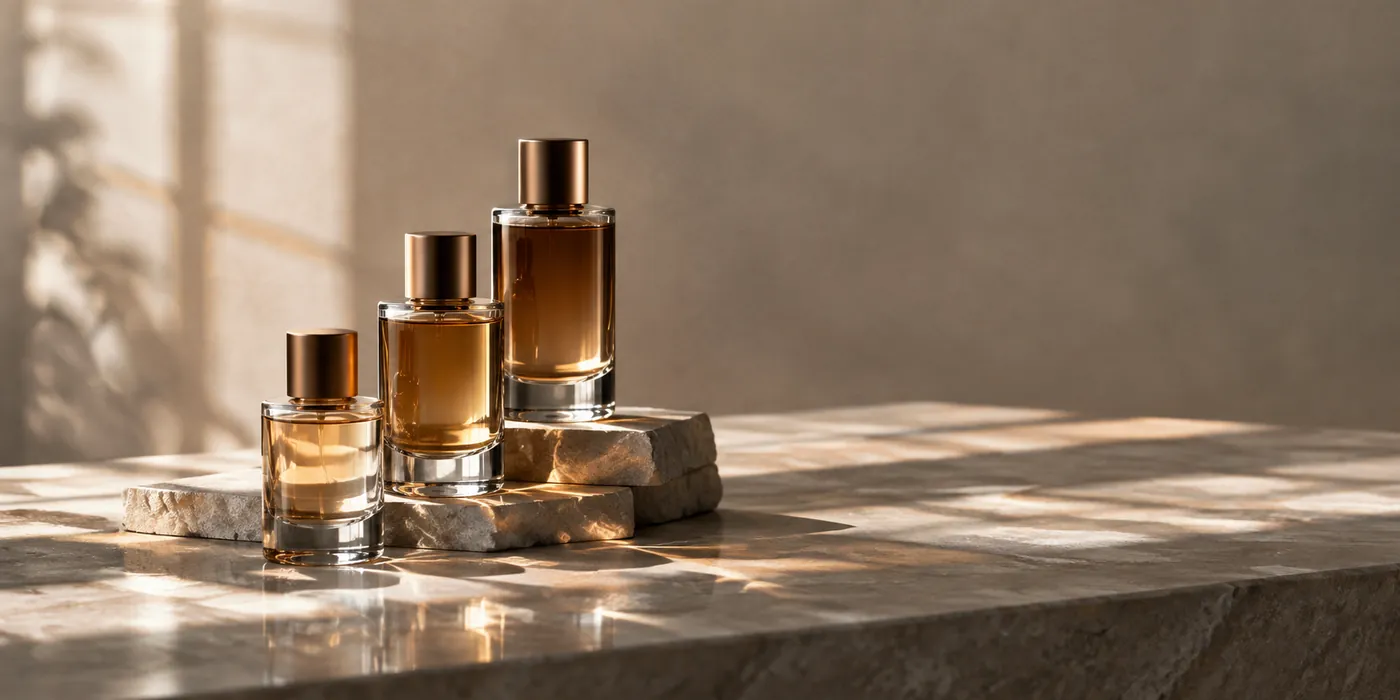
A scent wardrobe is a curated set of fragrances you use intentionally to match different daily contexts, moods, and social settings, rather than a random pile of bottles you rarely touch. You do not need a huge 20+ bottle collection to have a fully functional setup, and most casual shoppers will get far more value out of a small, intentional set of 2-3 well-chosen scents. This framework skips hobbyist pressure to hoard rare or clone fragrances and focuses only on what you will actually reach for every week.
Some links on this page may earn us a commission. It does not affect which products we recommend or how we rank them.
If you’ve spent any time browsing men’s fragrance spaces online, you’ve almost certainly seen the phrase “scent wardrobe” thrown around, often attached to photos of shelves lined with dozens of unopened bottles, or long lists of niche scents you’ve never heard of. For a casual shopper who just wants to smell good without the hassle, that framing can feel overwhelming, like you’re missing out if you don’t drop a bunch of money on a huge collection you don’t actually need. This guide cuts through that noise. We’re breaking down what a scent wardrobe actually is for regular people, not hobbyists who treat collecting as a full-time hobby, walking through the very real ongoing debate about how big your collection really needs to be, and giving you a step-by-step framework to build a setup that fits your life, no unnecessary purchases required. We’re also addressing the common, unspoken annoyance many people run into when they accumulate too many random fragrance bottles: the weird, unplanned mixed scent that builds up in your closet or dresser, and seeps into all of your clothes even when you aren’t actively wearing any of the scents you bought. That’s a problem no hobby guide ever talks about, but it’s one of the biggest practical benefits of keeping your scent wardrobe small and intentional.
What Exactly Is a Scent Wardrobe, Anyway?
At its core, a scent wardrobe is the fragrance equivalent of your clothing wardrobe. You don’t wear the same shirt to the gym, to a work meeting, and to a wedding, right? Your clothing wardrobe is a small, curated set of pieces that match different contexts, moods, and social expectations, so you never show up to a situation feeling underdressed or out of place. A scent wardrobe works exactly the same way. It’s not a random pile of half-used bottles you picked up on sale on a whim, or a collection you built just to show off to other fragrance fans online. It’s a deliberate set of scents you have selected to cover all the scenarios you actually encounter in your regular life, so you can grab the right one in 2 seconds flat without overthinking it. This definition also solves one of the most common unrelated questions people search for when they land on fragrance pages: why their wardrobe or dresser smells weird even when they aren’t wearing perfume. Most of the time, that happens when you have a bunch of loosely capped, old, or leaky fragrance bottles sitting on a shelf or in a drawer with your clothes. The scent from those bottles slowly evaporates into the air, mixes together, and leaves all your shirts, hoodies, and socks smelling like a messy, uncoordinated blend of random notes you didn’t choose. A proper, intentional scent wardrobe avoids that entirely, because you only keep bottles you actively use, store them properly, and don’t let random unused clutter build up in your storage space.
The Big Community Disagreement Over Scent Wardrobe Size
There is no single universally agreed-upon rule for how many bottles belong in a scent wardrobe, and the community has split into two very distinct camps that argue about this constantly. The first camp is made up mostly of deep hobbyists, who argue that a complete, functional scent wardrobe needs to be 20+ bottles large. Many people in this space build their collections almost entirely out of clone fragrances, which are formulated to mimic much more expensive rare or discontinued designer scents, so they can afford to stock a huge range of different notes for every possible tiny scenario. Their argument is that if you have a separate scent for rainy days, for weekend hiking trips, for brunch with friends, for formal work events, for casual dates, for fancy dinners, and every other niche situation you can think of, you’ll never be stuck wearing a scent that feels wrong for the moment. But as the user who built a full 20+ bottle clone wardrobe documented after months of use, this approach has a lot of unspoken downsides. Most of the bottles in that large collection ended up going unused for weeks or months at a time, taking up shelf space, and contributing to that weird mixed closet scent that seeps into all your clothes. A lot of the scents they thought they would love when they bought them ended up being ones they never actually reached for in real life, because they didn’t fit their regular routine the way they expected. The second, smaller camp pushes back hard against that idea, arguing that a fully functional scent wardrobe only needs 2-3 carefully chosen bottles to cover all the scenarios a regular person encounters in their daily life. The user who shared their minimal wardrobe built their entire setup around replacing old discontinued favorites they already knew they loved, rather than chasing new rare scents, and found that they never felt like they were missing a different option for any regular situation. We put the two approaches side by side below to make the tradeoffs clear, no hidden fine print:
| Category | Large 20+ Bottle Scent Wardrobe | Minimal 2-3 Bottle Scent Wardrobe |
|---|---|---|
| Core priority | Maximum variety and niche note coverage for every possible edge case | Practical, no-fuss use for all regular daily routines |
| Upkeep required | Tracking bottle age, testing new releases, rotating scents to avoid wasting unused juice | Almost no upkeep at all, you grab what you need and go |
| Common pain points | Most bottles go unused for long stretches, clutter creates unplanned mixed scents that leach into your clothes | You may occasionally wish you had a more specific niche scent for a very rare, one-off event |
| Best for | People who actively enjoy fragrance as a hobby and have the time to engage with collecting as a pastime | Casual shoppers who just want to smell good without extra work or unnecessary spending |
Neither of these approaches is inherently “wrong”, but for most casual US fragrance shoppers who are researching a purchase right now, the minimal setup is going to deliver far more value for far less effort. There is no prize for having the most bottles on your shelf, and the only opinion that matters is whether the scents you own work for your life.
Our Recommended Framework to Build Your Scent Wardrobe
If you’re ready to build a scent wardrobe that works for you, skip the hobbyist checklists that tell you you need 10 different scent families to be complete. Follow this simple three-step process instead, and you’ll end up with a setup you actually use.
Step 1: Map your actual regular use cases first
Before you look at a single fragrance recommendation list, write down the three most common scenarios you find yourself in on a weekly basis. Don’t write down random edge cases you might encounter once a year, like a trip to a fancy black tie gala or a hike through a tropical rainforest. Be honest: most people’s three core scenarios are casual everyday use (running errands, grabbing coffee, hanging out with friends), professional settings (the office, meetings, work events), and one higher-stakes social scenario (date night, a friend’s wedding, a weekend trip out of town). If your actual routine is different — say you work a manual labor job where you’re outside all day, or you work from home and almost never go into an office — adjust those categories to match. The point is to only build your wardrobe around what you actually do, not what a random hobbyist on the internet says you should prepare for.
Step 2: Pick one scent per core use case, no exceptions
Once you have your three core use cases, pick one scent for each. You don’t need a separate scent for rainy days, for walking your dog, or for grabbing a beer with your roommate. If your casual everyday scent works for all of those things, that’s perfect. The goal is to pick scents you already know you like, that don’t irritate people around you, and that fit the vibe of the scenario you’re buying them for. If you have old favorite scents that have been discontinued, you can follow the lead of the minimal wardrobe community and seek out well-regarded alternatives that match the vibe of those old favorites, so you don’t have to give up a scent you already know works for you.
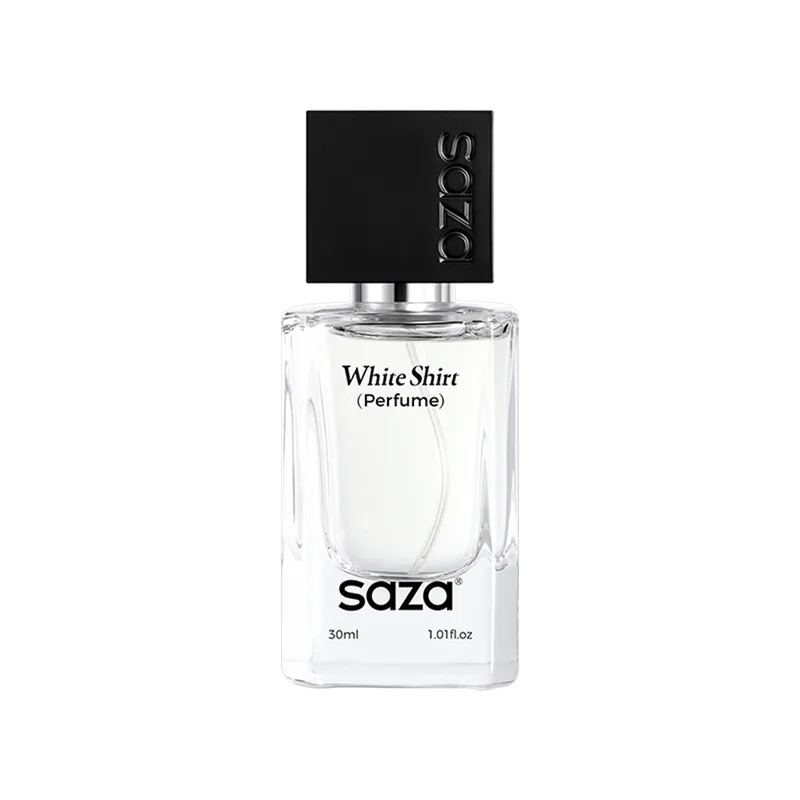 White Shirt PerfumeView on sazalab.com →
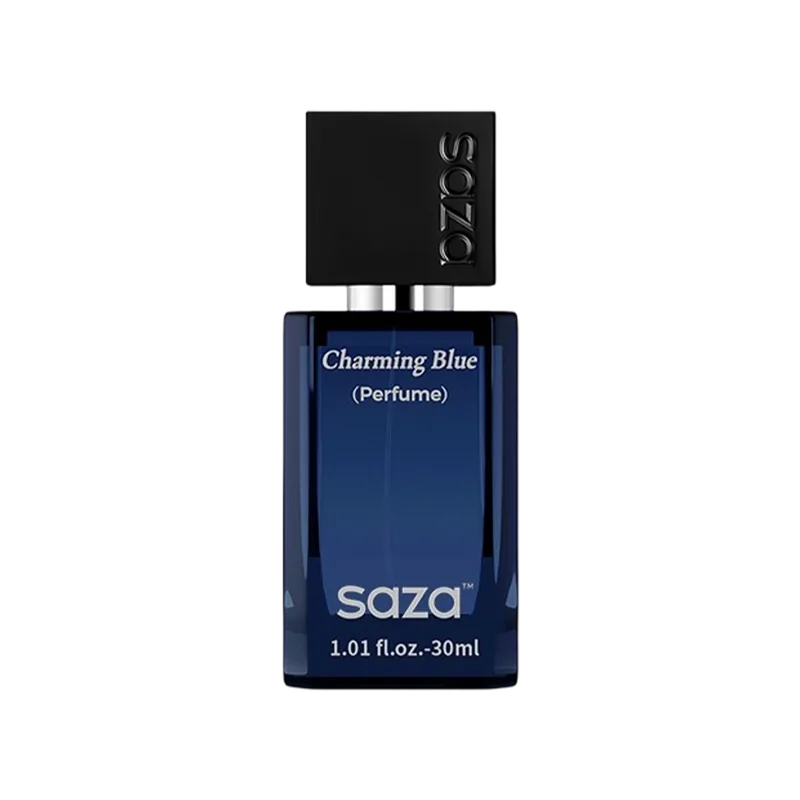 Charming Blue Extrait de Parfum 30mlView on sazalab.com →
Step 3: Cut any bottles you haven’t reached for in 30 days
Once you have your three core scents, go through any old bottles you already own. If you haven’t picked one up and worn it in the last 30 days, it doesn’t belong in your scent wardrobe. Those unused bottles are just taking up space, and slowly releasing scent into your closet or dresser that will make all of your clothes smell like a random uncoordinated mix of notes you don’t want. You can give them away to a friend, or pass them along to someone who will actually use them, rather than letting them collect dust on your shelf. This approach leaves you with a tiny, low-maintenance scent wardrobe that never feels like a chore to manage, and never leaves you wondering what to wear when you head out the door. You don’t have to keep up with hobby community trends, you don’t have to spend hours researching new releases, and you don’t have to waste money on bottles you will never actually use. It’s the no-nonsense setup that works for almost everyone who doesn’t want to treat fragrance collecting as a hobby.
Related reading
- Concepts, ExplainedCologne Collection: A Practical Guide To Building A Set You Actually UseSkip generic listicle picks. This guide breaks down how to build an intentional men's cologne collection that fits your vibe, avoids bloat, and aligns with your2026-10-06 · 7 min read
 Concepts, ExplainedHow to Find Your Signature Scent Without Buying Ten BottlesSkip the stack of unused, untested fragrance bottles. This step-by-step guide walks you through picking a signature scent that fits your preferences, no guesswork2026-09-20 · 7 min read
 Concepts, ExplainedWhat a Daily Driver Fragrance Is, and Why It Is Usually Not ExcitingWe break down what men’s fragrance communities actually mean by a daily driver, the big disagreement about the term, and how to pick one for your routine.2026-09-20 · 7 min read
 Concepts, ExplainedHow Many Fragrances Should You Own? An Argument for FewerWe break down the real tradeoffs between 3-scent curated collections and 20+ bottle stashes, including cost and storage factors to help you build a setup that fits2026-09-20 · 7 min read