Shampoos for Oily Hair: Why Washing More Often Is Not the Answer
Skip generic ranked lists. We break down why over-washing oily hair backfires, plus targeted guidance for your specific hair and scalp type.
Over-washing oily hair to cut grease actually trains your scalp to produce more sebum over time, making the problem worse instead of better. This guide skips one-size-fits-all rankings to match you to the right shampoo based on your exact hair and scalp traits, no unnecessary products required. Most people can cut their wash frequency gradually and see less unmanageable greasiness after a short adjustment period.
Some links on this page may earn us a commission. It does not affect which products we recommend or how we rank them.
If you’re a man with oily hair, you’ve almost certainly landed on this page after scrolling through 10 different top 10 lists that all tell you the same useless thing: buy the most powerful clarifying shampoo you can find, and wash your hair every single day to fight grease. That advice is not just outdated, it’s actively making your oily hair problem worse for a huge share of people.
We built this guide because the vast majority of commercial lists for the best shampoo for men with oily hair ignore the core disagreement playing out across grooming forums right now: the people who say their frequent wash routine is the only thing that works, and the people who say that same routine turned mild greasiness into a constant, unmanageable problem that they can’t shake no matter what they try. There is no universal “best” shampoo for every oily hair type, and the first step to fixing your routine is stopping the cycle that makes your scalp produce more oil than it naturally would.
The Hidden Cycle of Over-Washing Oily Hair
Your scalp is an extension of the skin on your face, and it works the exact same way. When you use a harsh, high-strength cleanser to strip every last bit of sebum (the natural oil your scalp produces) off your skin, your barrier system panics. It interprets that total lack of oil as a sign that it’s not producing enough to keep your skin protected, and it ramps up sebum production to compensate.
For people who wash once per day or less, this effect is mild enough that you might not notice it. But for people who are already prone to oily skin, the cycle snowballs very quickly. You wash your hair to get rid of grease, your scalp produces even more oil a few hours later, you wash again to fix it, and over time your baseline oil production climbs higher and higher until you can’t go more than a few hours after a shower without your hair looking slick and unwashed.
This is why the two camps in the grooming community can’t agree. The people who have only been washing very frequently for a few weeks see nothing but immediate, short-term results: their hair is grease-free right after the shower, and they assume that routine is working. The people who have been doing this for months or years are stuck in a feedback loop where their scalp never gets the chance to reset to a natural, balanced level of oil production. Many of these people also deal with related issues that no generic shampoo list addresses: scalp irritation, random breakouts along the hairline and neck, and even dandruff that gets worse the more they wash.
The skincare community’s long-running advice for people with chronically oily face skin translates directly to your scalp here: you can’t solve excess oil by stripping all oil away. You have to support your barrier so your scalp doesn’t feel the need to overproduce sebum in the first place. That doesn’t mean you have to go days without washing your hair and walk around looking greasy for a week while your scalp adjusts. It means picking the right shampoo for your specific hair type, rather than grabbing the strongest clarifying formula you can find, and adjusting your routine gradually.
How To Break The Over-Wash Cycle Without Looking Greasy
You don’t have to overhaul your entire routine in one day to see results. The most consistent advice from people who have successfully cut their excess oil production is to make small, incremental changes that your scalp can adapt to, so you never have to deal with the awkward “transition period” that many people fear.
Start by swapping one of your regular washes per week for a gentler, non-stripping formula, instead of using your usual harsh shampoo every single time. If you currently wash twice per day, cut down to one full wash per day first, and use plain lukewarm water to rinse your hair on the second pass instead of adding more shampoo. As your scalp adjusts and you notice you’re not getting greasy as fast after your shower, you can stretch the time between full washes a little more, until you land on a frequency that keeps your hair looking fresh without triggering excess sebum production.
The biggest mistake people make here is assuming all shampoos labeled “for oily hair” are equally good. A formula that works perfectly for someone with thick, coarse oily hair will weigh down fine hair and make it look limp, while a formula made for thin oily hair might not clear enough product buildup for someone with thick hair who uses styling products every day. That’s why we organized our guidance by under-served use cases that every generic top list ignores, so you can pick the exact right formula for your hair, no guesswork required.
Targeted Shampoo Guidance For Your Exact Hair Type
We put together this comparison of what community members report about shampoos for each specific oily hair profile, so you can narrow down your search without sifting through conflicting forum posts.
| Hair / Scalp Type | Key traits to prioritize | Common bad signs to avoid |
|---|---|---|
| Thick Oily Hair | Gentle clarifying properties that cut through product and sebum buildup | Overly lightweight formulas that leave a greasy residue even right after washing |
| Fine Oily Hair | Volumizing, non-heavy formulas that don’t coat strands | Thick, creamy formulas that flatten hair and make it look limp by midday |
| Thin Oily Hair | Non-drying, scalp-nourishing formulas that don’t cause breakage | Harsh, stripping formulas that leave strands brittle and prone to falling |
| Dandruff-Prone Oily Hair | Anti-fungal active ingredients that target flakes without over-irritation | Heavy, moisturizing formulas that feed the yeast that causes dandruff |
For Thick Oily Hair
If you have thick, coarse oily hair that holds onto grease and styling product buildup easily, you don’t need to reach for the harshest clarifying shampoo on the market to get a deep clean. Many people with this hair type report that gentle, weekly clarifying washes are more than enough to keep buildup at bay, and using a milder daily formula keeps their scalp from overproducing sebum between washes. You don’t need to lather twice every time you shower, which is a common habit that strips far more oil than thick hair actually needs.
For Fine Oily Hair
Fine oily hair gets greasy very fast because each individual strand is thinner, so sebum spreads across the whole length of your hair much more quickly than it does on thicker strands. The worst mistake you can make with this hair type is buying a heavy, creamy shampoo that leaves a thin coating on every strand, which will make your hair look slick and limp within a few hours of your shower. Most people with fine oily hair report that lightweight, clear shampoos without added thickening butters or oils work best, and they don’t need to use any conditioner at all on the lengths of their hair if their hair is short.
For Thin Oily Hair
Thin oily hair comes with a unique set of tradeoffs: harsh, stripping shampoos that are marketed for oily hair can leave your strands brittle and prone to breakage, which makes your already thin hair look even sparser over time. Many people with this hair type report that they spent years using ultra-strong cleansers to fight grease, only to realize those formulas were irritating their scalp and contributing to extra hair shedding. The best formulas for this use case are gentle enough to not damage fragile strands, but still rinse completely clean so no heavy residue is left behind to weigh hair down.
For Dandruff-Prone Oily Hair
Oily scalps are far more prone to dandruff, because the excess sebum feeds the naturally occurring yeast that causes flaking and irritation. Most generic dandruff shampoos are either so harsh they strip your scalp completely and trigger even more oil production, or so heavy and moisturizing they make the grease problem worse. The community consensus here is to pick a dandruff shampoo formulated specifically for oily scalps, and rotate it in with your regular shampoo instead of using it every single time you wash. This keeps the flake-causing yeast under control without throwing your scalp’s oil balance completely out of whack.
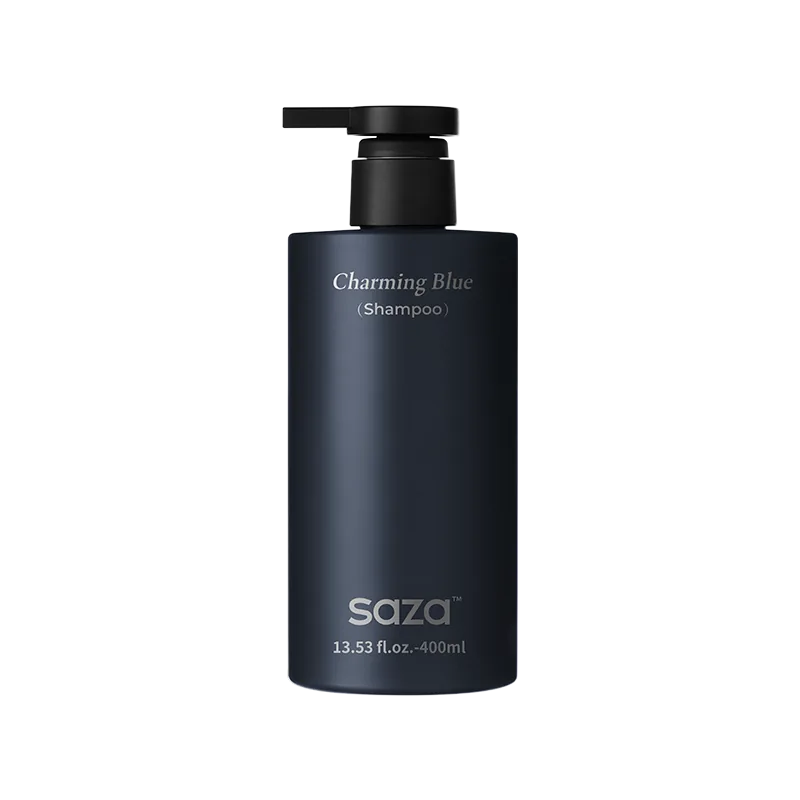 Charming Blue ShampooView on sazalab.com →
Supporting Products That Work For Oily Hair
You don’t need to buy a whole shelf full of extra products to get your oily hair under control, but a small number of well-chosen supporting items can make the transition away from over-washing far easier.
A lot of men with oily hair skip conditioner entirely because they assume it will make their hair greasier, but the right conditioner for men with oily hair can actually help keep your hair balanced. If you only apply a tiny amount to the very ends of your hair, and avoid putting any product directly on your scalp, you won’t add extra grease, and you’ll keep your strands from getting dry and brittle from regular cleansing.
A good dry shampoo for men with oily hair is also a game changer for days when you don’t do a full wash. Instead of jumping in the shower to re-wash your hair when it starts to look a little greasy midday, a quick spritz of dry shampoo at the roots absorbs excess sebum and gives you a few extra hours of fresh-looking hair, no water required. This is the easiest way to gradually stretch the time between full washes without anyone noticing that you skipped a shower.
At the end of the day, the best shampoo for men with oily hair is never the strongest, most heavy-duty formula you can find. It’s the formula that matches your exact hair type, supports your scalp’s natural barrier, and doesn’t force you into a never-ending cycle of over-washing that makes your oil problem worse over time.
Related reading
 Daily CareBest Face Washes for Oily Skin Men: US-Retail Options With Ingredients That MatterWe cut through search results flooded with regional South Asian products to show you how to pick the best US-retail face wash for men with oily skin, no unvetted2026-09-20 · 6 min read
 Daily CareBody Wash for Acne-Prone Skin Men: What to Look For, What to AvoidWe cross-reference two top skincare community threads to break down what works for men’s acne-prone skin, what to skip, and which products lack verified anecdotes.2026-09-20 · 8 min read
 Daily CareBody Wash for Sensitive Skin: Reading a Label Without PanickingLearn to spot unadvertised hidden irritants in men’s marketed sensitive skin body washes, no dermatology expertise required, to avoid flareups and unexpected2026-09-20 · 7 min read
 Daily CareHow to Stop Body Odor: The Parts Most People SkipSkip generic deodorant hacks. This guide covers under-cited non-antiperspirant fixes for body odor from diet, laundry, groin care and more that top results leave2026-09-20 · 7 min read