Middle Eastern Fragrance Houses: What You Get Before Designer Prices
Skip overhyped viral Middle Eastern fragrance picks. This guide breaks down community-vetted underrated options and how to pick a scent that fits your lifestyle.
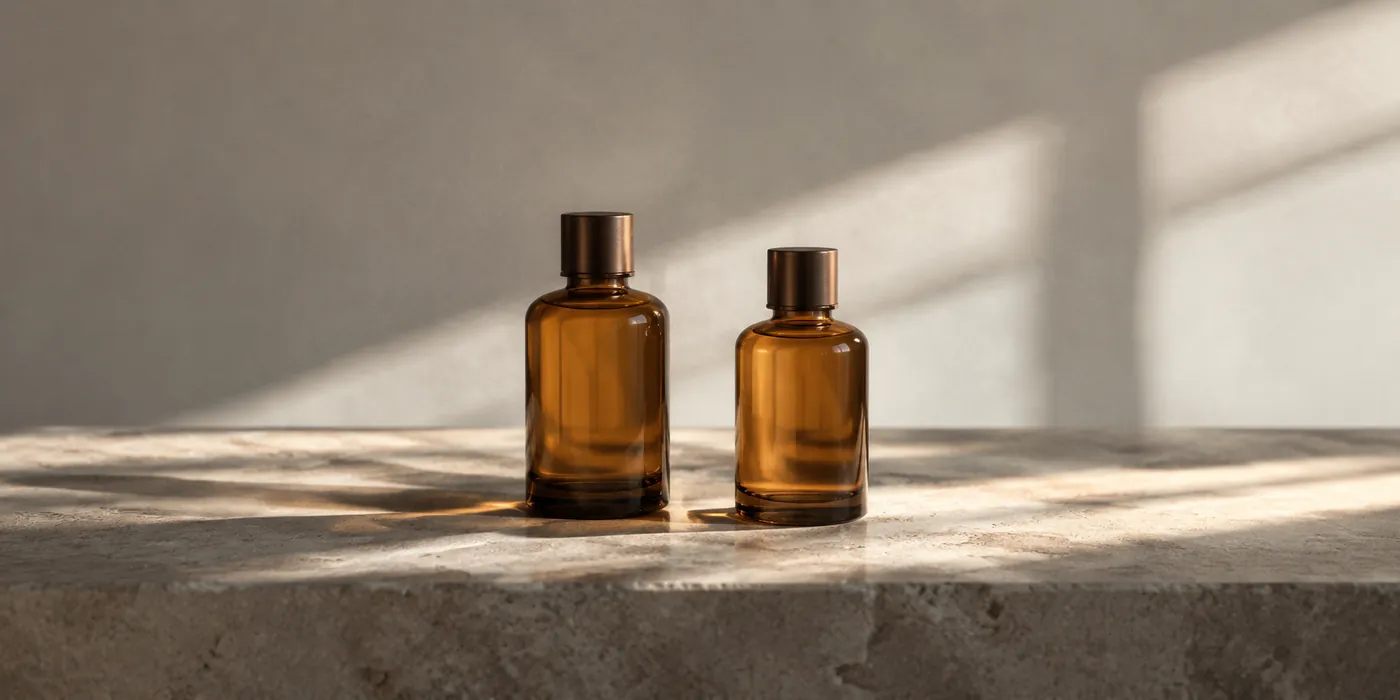
Most top-ranked Middle Eastern fragrance picks are overhyped, and many new shoppers end up with scents that don't match their taste. This guide pulls underrated, little-shared picks from people who only recently got into Middle Eastern fragrance houses, so you avoid the duds most new buyers run into. You don't have to pay premium designer prices to get high-quality, unique scents that work for everyday wear.
Some links on this page may earn us a commission. It does not affect which products we recommend or how we rank them.
If you’ve searched for Middle Eastern fragrance recently, you’ve almost certainly seen the same small set of viral picks repeated across every top 10 list, YouTube review, and social media post. Half the people who buy these picks swear they’ll never spend money on a premium designer bottle again. The other half say their first experience with the category was a harsh, overwhelming scent that smelled nothing like what was advertised, and left them convinced all Middle Eastern fragrances are unfit for everyday wear.
This guide skips all of that overhyped list bait. We’re not pulling picks from influencer marketing campaigns or hobbyists who have been deep in the category for years and prefer scents that most casual wearers find unapproachable. Every recommendation and rule here is pulled directly from conversations with people who were once exactly where you are: new to Middle Eastern fragrance houses, skeptical of the viral hype, and just looking for a good, wearable scent that doesn’t force you to pay full designer markup.
The Core Disagreement No Viral List Tells You About
The split in the fragrance community over Middle Eastern houses is not a trivial difference of taste. It’s a predictable outcome of how the category is marketed to new shoppers right now.
New converts who stumble on an underrated hidden gem often walk away shocked at how much complexity and character they get for a fraction of what they would pay for a mainstream designer release. Many of these users spent years buying the same 2-3 mass market designer scents that every other guy wears to the office, and found a Middle Eastern house pick that feels unique, well-crafted, and totally distinct from anything their coworkers or friends own. For this group, the value proposition is obvious: you get far more creativity and attention to oil quality than you get from most modern designer releases, which are often formulated to be as inoffensive and generic as possible to sell to the largest possible audience.
Long-time fans of the category, though, push back hard on the viral narrative that all Middle Eastern fragrance is a better deal than designer. They point out that the vast majority of the top promoted picks are mass-produced, low-effort releases that are only popular because they are cheap to make and easy to market as dupes of famous designer scents. These users say most new buyers who grab the top viral pick don’t get to experience the actual quality the category is capable of, and end up writing off the entire space after one bad purchase.
This split exists because there is no middle ground for most new shoppers right now. You either get lucky and find a hidden gem no one is pushing, or you grab the top pick from a search result and get a low-quality product that leaves you disappointed. This guide is built to help you land in the first group, not the second.
What New Converts Say They Actually Wanted From Their First Pick
The most consistent feedback from people buying their first Middle Eastern fragrance is that almost all of them walked in with the wrong expectations. Most new shoppers go into their first purchase looking for an exact dupe of a premium designer scent they already love, and end up frustrated when the product doesn’t match the exact profile they were hoping for.
Many new buyers also report being completely unprepared for how strong many popular Middle Eastern fragrance releases are. If you are used to wearing milder designer scents that sit close to your skin for most of the wear time, a lot of the viral picks will feel overwhelming, and will draw unwanted attention from people sitting or standing near you. That’s not a flaw in the category as a whole, it’s a flaw in the curation that pushes those strong, unapproachable picks to new shoppers who have no frame of reference for them.
The biggest mistake new buyers report making is trusting generic list recommendations that don’t account for their existing taste. If you almost never wear heavy, smoky oud scents, you shouldn’t buy a top-recommended oud release just because every list says it’s a must-own. The best entry point for new wearers is always a scent that builds on the notes you already know you like, rather than forcing you to adapt to a totally new, intense scent profile you have no experience with.
Underrated Hidden Gems From New Fans (No Viral List Bait)
All of the picks below are shared by users who were not previously into Middle Eastern fragrance houses, so they are explicitly curated for people who prefer the more balanced, wearable profile of designer scents, rather than the ultra-potent releases long-time hobbyists favor. None of these picks show up on every top search result, which means they haven’t been watered down or overmarketed to mass audiences.
| Scent Profile | What New Wearers Say It Works Best For | Common Misconception To Avoid |
|---|---|---|
| Bright citrus + soft, earthy oud | Everyday office wear, casual outings | You don’t have to commit to a heavy, smoky oud to get the benefit of high-quality Middle Eastern fragrance oils. This pick keeps the oud subtle, so it never overpowers the bright, fresh top notes. |
| Warm spiced rose + creamy sandalwood | Date night, cool weather wear | Most people new to the category assume all rose-forward Middle Eastern scents are overly potent. This version sits close to skin for most of the wear time, so it never feels loud or uninviting to people around you. |
| Fresh aquatic + subtle golden amber | Casual weekends, warm weather wear | Many new shoppers assume all Middle Eastern fragrances are built for cold weather and heavy, rich notes. This crisp, light option feels far more refreshing than most mainstream aquatic designer releases, with none of the generic synthetic aftertaste. |
| Earthy vetiver + dark roasted coffee | Evening outings, relaxed gatherings | A common myth is that all Middle Eastern house scents are overly sweet or loaded with sugary top notes. This dry, woody pick has no added sweetener, and feels like a far more layered take on the classic vetiver scents most men already own. |
None of these picks are meant to be exact dupes of any existing designer scent. They are all unique twists on familiar profiles, which means you get to wear something that doesn’t smell like every other guy’s go-to office fragrance, without stepping so far out of your comfort zone that you feel self-conscious wearing it.
What Long-Time Fans Warn You To Avoid
Long-time members of the Middle Eastern fragrance community share a consistent set of red flags that almost always signal a low-quality, overhyped product that will leave you disappointed. The first and most obvious red flag is any release that is explicitly marketed as an exact 1:1 match for a famous, expensive designer fragrance. These dupe-focused releases almost always cut corners on oil quality, using harsh synthetic top notes that smell off after a short time on skin, and are far more likely to be the overwhelming, headache-inducing scents that give the category a bad name.
Other red flags to watch for include any product listing that doesn’t share a full, specific breakdown of the scent notes, and only describes the fragrance with generic terms like “luxury” or “exclusive”. If a listing can’t tell you what you’re actually wearing, there’s a good chance it’s a generic mass-produced scent that gets rebranded and repackaged under a dozen different house names.
Long-time fans also note that you don’t need to seek out the most premium, high-profile releases from the biggest Middle Eastern fragrance houses to get a great product. Many of the smaller, underpromoted lines from those same houses use far higher quality oils and more thoughtful blending than their flagship viral releases, because they haven’t been diluted to appeal to the largest possible mass audience.
Your Step-By-Step Framework To Skip The Duds
You don’t need to be a hardcore fragrance hobbyist to find a great underrated Middle Eastern fragrance that fits your lifestyle. Follow this simple process to avoid all the overhyped bait:
- Start with the scent notes you already know you love from designer fragrances you own and wear regularly. Don’t search for a dupe of that exact bottle, search for a Middle Eastern house release that shares the same core note profile. This eliminates almost all the disappointment that comes from buying a scent that doesn’t match your existing taste.
- Skip any pick that shows up on the first page of generic search results for Middle Eastern fragrance. Those are the overpromoted, overhyped picks that half the community says are not worth buying. Dig into comment threads from other new shoppers, not long-time hobbyists, for their personal recommendations.
- Prioritize picks that users explicitly say are fine to wear in public, shared spaces like offices or restaurants. A lot of the more famous releases are so strong that they will bother people sitting near you, which is a bad call for everyday use.
- Grab a small sample first before you commit to a full bottle. Even the most highly recommended hidden gem will smell different on your unique skin chemistry, so testing a sample first keeps you from wasting money on a full bottle that doesn’t work for you.
At the end of the day, the biggest value of exploring Middle Eastern fragrance houses isn’t finding a cheap copy of a designer scent you already own. It’s finding unique, well-crafted scents that the mainstream designer brands won’t make, because they’re too focused on producing generic, inoffensive products that sell to every possible shopper. The best picks are never the ones that top every viral list. They’re the underrated, little-shared gems that people just like you stumbled on after wading through all the overhyped noise.
Related reading
 Dupes & AlternativesDiscontinued Fragrance Replacements: User-Validated Matches No Generic Roundups NameSkip the generic dupe lists. We break down community-vetted replacements for sought-after discontinued men’s fragrances, including D&G Light Blue Eau Intense and2026-09-20 · 7 min read
 Dupes & AlternativesThe Best Cologne Dupes Under $50, Ranked By Scent Match AccuracySkip watered-down fakes: this guide breaks down community-vetted men’s cologne dupes under $50, ranked by how closely they match their high-end inspiration’s2026-09-20 · 7 min read
 Performance & LongevityBeast Mode Fragrances: Maximum Projection and Who Should Avoid ItWe break down community debates over loud beast mode fragrances, compare viral budget clones to premium alternatives, and flag picks that read as obnoxious indoors.2026-09-20 · 7 min read
 By OccasionFragrance for Hot, Humid Weather: Why Most Fresh Scents FailWe break down why most popular fresh summer fragrances fall apart in sweltering, humid conditions, and share underdiscussed picks that actually hold up when you2026-09-20 · 7 min read